








How to go from sightseeing to skill-seeking on your family holiday
Of course, there’s nothing wrong with a landmark-packed family holiday. Yet after the third church, castle or museum, even the most curious child may start asking when the pool opens. Skill-seeking offers a livelier alternative: instead of only looking at a destination, you learn to do something that belongs there.
Choose one skill, not a packed activity list
Start with a single idea the family wants to try. One thoughtful choice creates a clearer thread than booking a different activity every morning, and it gives beginners time to move beyond the awkward first attempt. Ask everyone what they would be excited to practise, then simply look for the overlap: confident swimmers might favour paddleboarding or sailing, while a mixed-age group may find cycling, cookery or a craft workshop easier to share.
ABTA’s Destinations to Watch 2026 points to growing demand for experiences and holiday hobbies, with 48% of people planning to explore a country they have not visited before – and an active family holiday is the perfect way to do just that! But don’t just chase a trend; pick an activity that helps your family understand where it is. A pasta lesson in Italy or a navigation walk in the Alps adds texture to the sightseeing around it.
Match the challenge to age and confidence
Look for providers offering beginner groups, age-appropriate equipment and room to progress, so one child can master the basics while a teenager or experienced parent works on technique. The best shared activity is rarely one that forces everybody into the same level. Nervous family members may prefer to watch a first session or choose a parallel activity nearby. That still counts! Confidence grows more easily when you can opt in on your own terms.
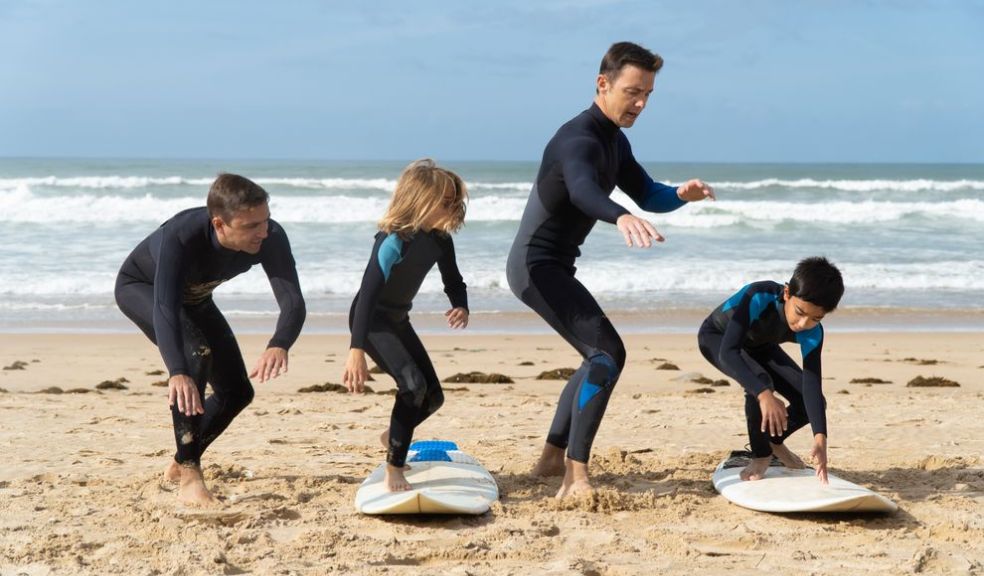
Before booking, ask how instructors group participants and whether there is a shorter taster option. A first surf lesson with children in Bali, for example, shows how a new sport can become a lesson in resilience as well as balance. And keep the family mood supportive rather than competitive! Celebrate the first clean serve, steady pedal or few words in the local language; nobody needs a medal for the experience to matter.
Let the destination become the teacher
Skill-seeking works best when the activity couldn’t have happened in quite the same way at home. Learn to identify fish before snorkelling a protected bay; visit a food market before a cookery class; or sketch an archaeological site before trying a traditional mosaic workshop. Local instructors can explain weather, materials, customs and techniques that a standard tour may pass over, turning the destination from a backdrop into part of the lesson.
Do a little practical homework too. The UK Government’s foreign travel checklist advises travellers to check that insurance covers every planned activity, including adventure sports, as well as the places and full duration of the trip. Also check minimum ages, swimming requirements, accessibility, safety equipment and cancellation arrangements before promising an activity to the children. That way you can concentrate on learning rather than sorting out avoidable surprises.
Balance practice with play and sightseeing
A learning holiday shouldn’t feel like school with better weather, so leave space. One simple rhythm is to alternate active mornings with slow afternoons. Repetition matters, but it doesn’t need to dominate the itinerary. Two or three well-spaced sessions can provide momentum while leaving room for landmarks, naps and spontaneous detours. Our guide to active adventures during school breaks makes the same case for combining high-energy plans with quieter moments.
On the final day, give the new skill a small purpose! Maybe plan a family cycle to a viewpoint, order lunch using a few new phrases, or cook one dish together. It creates a natural finale without adding pressure.
Promotional content.