








The Ultimate Guide to Planning an Adventure Motorcycle Trip
The desire for travel has changed. For many, a week spent lounging by a pool just doesn't have the same appeal anymore. Instead, people are looking for experiences that challenge them, push their limits, and create stories they'll tell for a lifetime. This is the world of adventure travel – a dynamic, fast-growing sector that's redefining what a holiday can be. It's about swapping the sun lounger for a kayak, the all-inclusive buffet for a campfire meal, and the predictable for the extraordinary.
This shift isn't just a niche trend; it shows a broader desire for more meaningful and transformative experiences. From trekking through remote mountain ranges to exploring underwater caves, adventure travel offers a way to connect with the world and ourselves on a much deeper level. It’s about actively participating, not just watching.
What Defines Adventure Travel Today?
Adventure travel used to bring to mind images of extreme athletes scaling Everest or navigating treacherous rapids. While those activities certainly count, the definition has broadened significantly. Today, it includes any trip that features at least two of these three elements: physical activity, cultural exchange, and engagement with nature. This wider scope is a key reason for the growing allure of adventure tourism.
The modern adventure traveller isn't necessarily a thrill-seeker. They could be a foodie learning to cook traditional dishes in a Vietnamese village, a wildlife enthusiast tracking jaguars in the Pantanal, or a family cycling along the coast of Croatia. The "adventure" part is personal; it’s about stepping outside your comfort zone, whatever that means for you.
This evolution has turned adventure travel into a huge global phenomenon. The expanding adventure travel market shows just how many people are choosing to spend their free time and money on experiences rather than things. It’s a move towards authenticity, personal growth, and creating truly unique memories.
Finding Your Next Thrill
With such a broad definition, the first step is figuring out what kind of adventure excites you. Think about your interests, your fitness level, and how far you're willing to push your boundaries. Your perfect trip is out there, whether it's a gentle introduction or a full-throttle expedition.
Consider these categories to help narrow down your options:
- Soft Adventure: These activities involve low risk and don't require much specific skill. Think hiking in a national park, kayaking on a calm lake, going on a wildlife safari, or taking a guided cycling tour. Most people with a reasonable level of fitness can do them.
- Hard Adventure: These generally involve higher risk, more physical effort, and specialised skills. Examples include mountaineering, white-water rafting, rock climbing, or multi-day trekking in remote areas. These trips often need previous experience or training.
- Cultural Adventure: This focuses on immersive cultural experiences. It could mean living with a local family in Ecuador, learning a traditional craft in Morocco, or participating in a community project in rural Thailand. The challenge here is more social and intellectual than physical.
Start by brainstorming activities you've always wanted to try. Do you love the water? Perhaps sea kayaking or learning to dive is for you. Are you fascinated by history and ancient cultures? A trek along the Inca Trail in Peru could be the answer. The key is to match the activity to your personal passion.
Motorbikes: The Ultimate Freedom
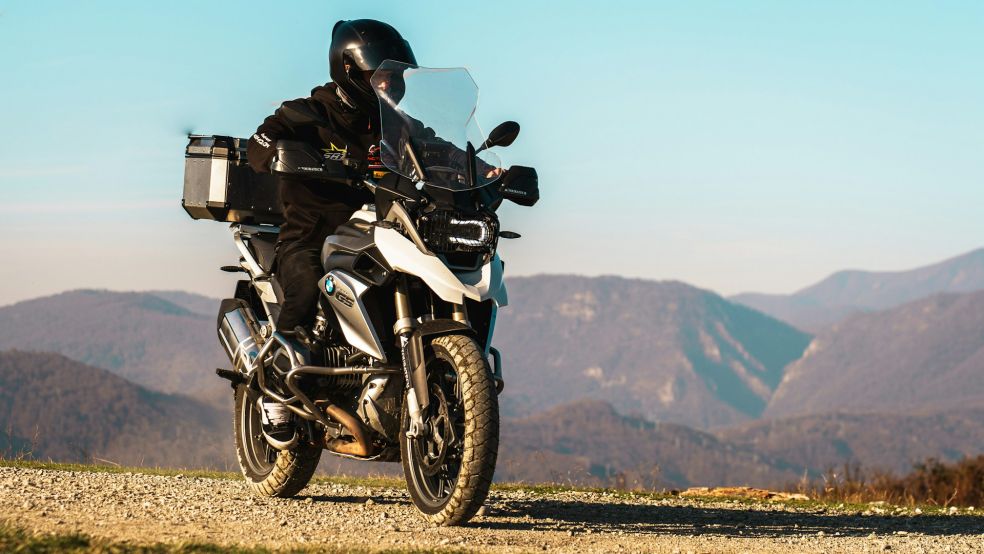
For many adventurers, the journey itself is the destination. There's perhaps no better way to experience this than on two wheels. A motorbike trip offers an unparalleled sense of freedom and connection to your surroundings. You're not just passing through a landscape in a sealed metal box; you are part of it. You feel the change in temperature as you climb a mountain pass, smell the pine forests after a rain shower, and hear the sounds of the villages you ride through.
From the winding coastal roads of the Amalfi Coast to the epic mountain passes of the Scottish Highlands, a motorbike lets you explore at your own pace. You can stop whenever a view catches your eye, take that intriguing side road, and discover hidden gems inaccessible by larger vehicles. It’s a raw, immersive, and incredibly rewarding way to travel. For inspiration beyond the more familiar routes, exploring trips that take you beyond the usual travel experience can open up ideas for your next adventure.
Of course, this kind of freedom comes with responsibility. Proper planning is essential, from plotting your route to making sure your bike is in top condition. Your insurance should also reflect the type of riding and journey you have planned, particularly when travelling long distances or exploring unfamiliar roads. Having motorcycle insurance tailored to your needs can give you appropriate protection for your bike and help you set off with greater confidence, allowing you to focus on the adventure ahead.
Preparing for Your Epic Journey
Once you’ve chosen your adventure, the preparation phase begins. This is a crucial stage that can make the difference between a trip of a lifetime and a series of stressful mishaps. The more challenging the adventure, the more thorough your preparation needs to be.
First, focus on physical fitness. If your trip involves trekking, cycling, or any other strenuous activity, start a training regimen well in advance. This will not only make the trip more enjoyable but also significantly reduce your risk of injury. Even for less physically demanding trips, being in good shape will boost your energy levels and stamina.
Next is your gear. Research the specific equipment needed for your destination and activity. This includes everything from the right footwear and layered clothing to specialised gear like climbing harnesses or dry bags. Don't skimp on quality for essential items. A good waterproof jacket or a comfortable pair of hiking boots can be your best friend in the wild. Create a detailed packing list and check it twice. For a good starting point, you can consult a useful adventure travel guide that often includes gear recommendations for different environments.
Safety and Planning Essentials
While adventure travel is about embracing the unknown, it should never be about taking unnecessary risks. Smart planning and a safety-first mindset are the foundations of any successful trip. Your goal is to be prepared for potential challenges so you can handle them calmly and effectively.
Start by researching your destination thoroughly. Understand the local customs, potential health risks, and any political instability. The UK government's foreign travel advice is an excellent resource for up-to-date information on safety and security, entry requirements, and local laws for countries around the world. Register your trip if recommended, and make sure your passport is valid for at least six months beyond your planned return date.
Your health is paramount. Schedule a visit to your GP or a travel clinic at least six to eight weeks before departure to discuss necessary vaccinations and get any prescription medications you might need. Pack a comprehensive first-aid kit tailored to your destination and activities. Include basics like plasters, antiseptic wipes, and pain relievers, as well as any personal medications and items like insect repellent and water purification tablets. Finally, share your itinerary with someone at home and arrange regular check-in times.
Adventure travel is more than just a holiday; it's an opportunity for growth, discovery, and creating lasting memories. Choosing your thrill wisely and preparing properly helps you ensure your next journey is both exciting and safe.