








Celtic Cultural Motifs Appearing Across European Travel and Lifestyle Media
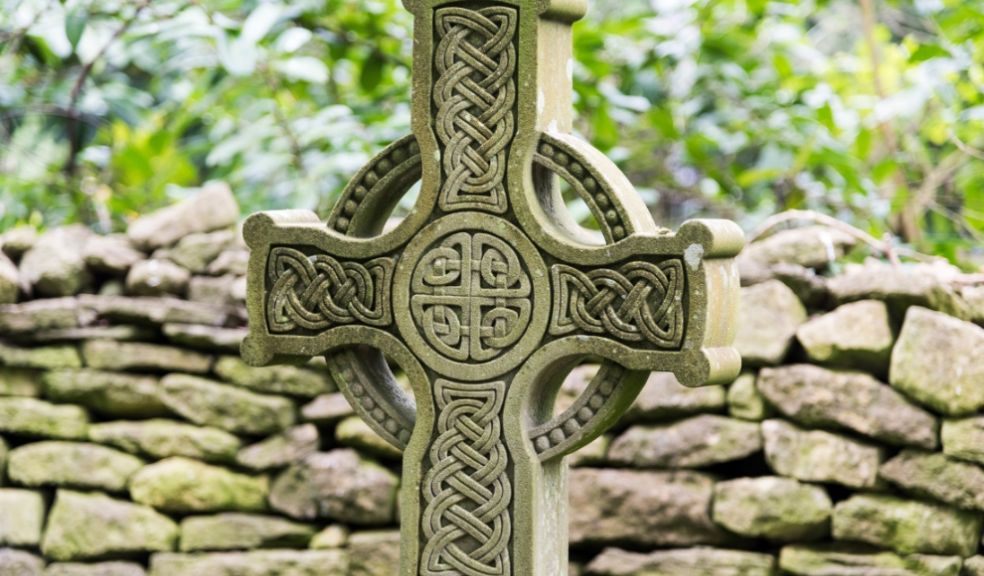
Visual echoes of the Celts show up with surprising regularity throughout European travel and lifestyle media. Flip through magazines or scroll online, and you’ll spot mists, aged stones, and those distinctive, knotted patterns crowding the frame.
The National Galleries of Scotland notes that these designs rarely play it straight with history; they form a sort of media shorthand, half signaling history, half conjuring up a dream of something beyond it. Wherever you look, Celtic motifs, lifted from ancient spirals, borrowed from Victorian nostalgia, have become a quick marker.
For some, it’s about heritage. For others, it’s just an open invitation to step into a world that feels both wild and set apart. That recognisable Celtic look, woven into magazine spreads and online rainbow riches features, shapes how Europe markets its margins, hinting at stories older than memory.
Visual language and Celtic motifs in contemporary design
Media leans hard on these motifs; knots and zoomorphic curves, borrowed from old manuscripts and set loose in modern branding. The Book of Kells isn’t just a relic; its tangled lines are everywhere: boutique hotel logos, posters, festival passes. Those signature colors, deep green, gold, blue, tapped during the 19th-century Celtic Revival, keep popping up, providing instant familiarity.
Regional tourism boards have figured it out. By weaving these symbols into their campaigns, they beckon visitors toward “old Europe.” In 2023, Visit Scotland saw campaign engagement soar 14% when La Tène curves and stylized animals appeared in their ads.
Jewelry makers in Brittany or the Celtic corners of Spain keep returning to spirals and triple-knots, knowing travelers equate those shapes with something local, something hand-touched. According to Art in Context, these motifs rarely teach history anymore. They serve as subtle signals: rootedness, artfulness, distinct from the everyday churn.
Place branding, fantasy landscapes and online rainbow riches
Tourist promotions frequently dress up entire regions in Celtic code. Mist-laden hills, ancient stones, crumbling abbeys; each photo hints at escape, at a world apart from city sprawl. For online rainbow riches travel features and travel influencers, misty shots of the Isle of Skye or Connemara cue up ideas of magic and mystery.
The edge of Europe is reframed as wild, enchanted, a place for stories rather than schedules. In summer 2023, Fáilte Ireland found that media posts with “Celtic” tags and visuals drew 22% more digital engagement. Even the signs along hiking paths; like Wales’s twisting coast or Brittany’s rugged trails; pick up on ancient patterns, mixing historical art with fantasy.
Scotland’s North Coast 500, with 2024’s new branding, wraps its routes in triskeles and spirals, a clear nod to this ongoing trend. Travel marketing doesn’t just invite you to visit; it hands you a role in a story woven from old-and-new Celtic imagery.
Lifestyle media and Celtic narrative hooks
Travel magazines and lifestyle sections do more than show; they tell. Writers lace their articles with hints of spirituality, rituals, and folklore filtered through a Celtic lens. Retreats in Galicia or the Hebrides are pitched as “Celtic” havens, places to detox your life and maybe your soul.
Editors love tropes: ghostly lights, selkies, fairy circles, all these reappear in guides to nature walks or regional craft festivals. The Festival Interceltique de Lorient, as covered by lifestyle media, offers tales of revival and endurance, stressing vibe over historical precision.
That Celtic motifs have become a trusted “aesthetic toolkit.” They suggest escape, anti-modernity, a brush with the authentic, not a lesson. Even the food gets the treatment; “Celtic” recipes and rituals show up, whether deep-rooted or half-invented, sold as a slice of local identity.
Celtic as marketable identity and media cross-over
Popular culture keeps the cycle spinning. TV, films, and books fuel travel media, each cross-pollinating the other. Outlander and Song of the Sea; these drive fans to seek out the very landscapes filmed or imagined. Visit Scotland recorded a 58% visitor spike to Outlander locations after the show’s release.
Modern branding uses “Celtic” as a flexible badge; Scotland and Wales, both, lean on heritage and language to stand out. Curators quoted by Medieval.eu see “Celtic” less as ethnicity, more as a kind of media dialect, a cluster of symbols anyone can pick up.
It offers both gritty roots and artistic polish, shifting easily between roles. The result is a toolkit, ancient yet adaptive, that still anchors Europe’s outer edges, even as it shapes stories across contemporary media.