









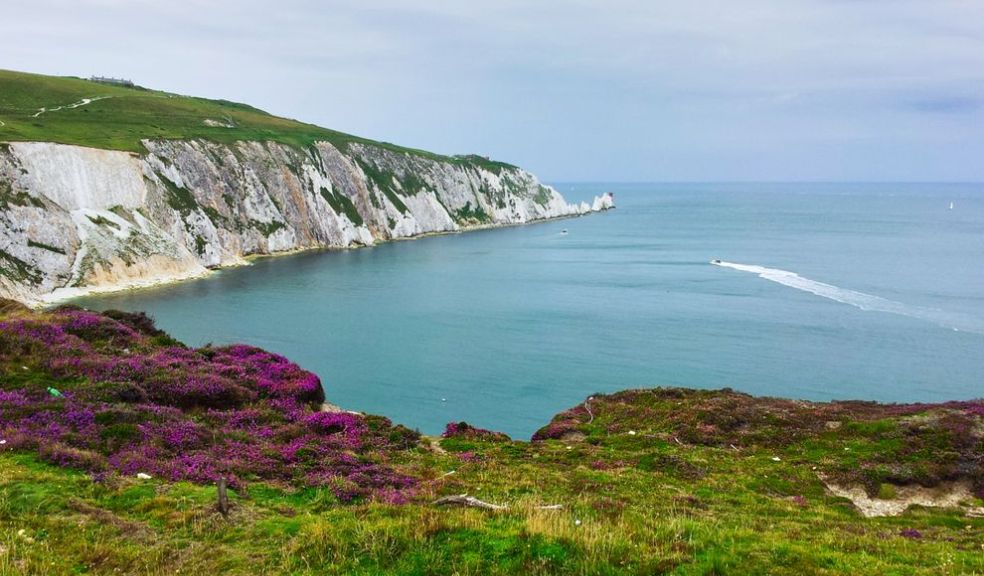
Isle of Wight Without a Car: How to Get Around
Leaving the car at home can make an Isle of Wight break feel lighter and more relaxed. There is no need to search for parking or navigate narrow country lanes. Foot passengers can build a rewarding trip around trains, buses, walking and cycling. The secret is to choose a sensible base and group nearby activities together.
Wightlink’s FastCat connects Portsmouth Harbour with Ryde Pier Head, while vehicle ferries also carry foot passengers on other routes. Check the latest route, timetable and ticket information directly with Wightlink before travelling. Portsmouth Harbour has useful rail connections, which can simplify a journey from further afield. Always confirm the final connection rather than relying on an old itinerary.
Choose a convenient base
Ryde is one of the easiest bases for visitors arriving without a car. It has beaches, shops, places to eat and links to other parts of the Island. Staying near the centre reduces the need for transport on quieter days. It can also make arrival and departure less stressful.
Shanklin and Sandown are useful for travellers who want a traditional seaside stay. Both have rail connections and access to bus services. Their beaches, promenades and nearby attractions provide plenty to do locally. This means poor weather or a missed connection need not spoil the day.
Newport is not a seaside resort, but its central position can be practical. Many bus routes connect through the town. It provides shops and services as well as access to nearby attractions. Visitors planning to explore several parts of the Island may value convenience over a sea view.
Yarmouth suits a quieter break in west Wight. The attractive harbour town is close to coastal scenery and walking routes. Bus connections can take visitors towards Freshwater and the Needles area. Evening options may be more limited than in larger towns, so plan meals and returns.
Use buses thoughtfully
The Island’s bus network connects major towns and many popular visitor areas. Current routes, fares and seasonal services should be checked with the operator. A network map helps you understand which journeys require a change. Download or photograph essential information in case reception is weak.
Do not plan every connection too tightly. Traffic, events and seasonal demand can affect journey times. Aim to arrive for the bus before the published departure. Keep a backup plan for the final service of the day.
Bus travel also lets everyone enjoy the scenery. Upper-deck seats can provide wide views on suitable routes. Children may treat the journey as part of the adventure. Keep belongings secure and be ready to signal your stop.
Make use of Island Line
Island Line provides a rail connection through the east of the Island. It is helpful for travel between Ryde and areas including Sandown and Shanklin. Rail travel can be easier than a bus when carrying light luggage. Check current service information before setting out.
The train works particularly well as part of a rail-to-ferry journey. However, maintenance or service changes can occur. Leave enough time when connecting with a booked crossing. A small delay feels less serious when the schedule includes breathing room.
Walk in manageable sections
The Isle of Wight has an extensive network of public footpaths. Coastal and countryside walks allow car-free visitors to reach viewpoints that drivers may miss. Choose routes based on distance, ascent and surface, not distance alone. A short steep path can be harder than a longer level walk.
Out-and-back walks are easiest to manage. Linear routes can work when both ends have reliable transport. Carry water, an extra layer and a paper or downloaded map. Tell someone your plan when walking in a remote area.
Bring or hire a bicycle
Cycling provides independence and suits the Island’s scale. Dedicated routes and quieter roads offer rewarding journeys, although hills can be demanding. An electric bike may make longer distances more accessible. Use a helmet, lights and a secure lock.
Check the current rules for carrying bicycles on ferries, trains and buses. Space may be limited or subject to particular conditions. Hiring locally avoids transporting a bike across the mainland. Book ahead during popular periods.
Plan luggage carefully
Car-free travel becomes less enjoyable when bags are too heavy. Choose versatile clothing and pack only what you will use. A wheeled case works in towns, while a comfortable backpack may suit walking routes. Keep medicines, tickets and chargers easy to reach.
Ask accommodation providers about luggage storage. This can free the final day for sightseeing. Do not assume every station or port has lockers. A confirmed arrangement is better than carrying bags for hours.
Build a realistic itinerary
Focus each day on one area. A Ryde morning and Sandown afternoon can make sense when connections work. Combining Yarmouth, Ventnor and Bembridge in one day is likely to create more travel than enjoyment. Use the map to group places before checking times.
Allow time for meals and unexpected discoveries. Public transport encourages a slower rhythm, which can be one of its strengths. A café stop or beach walk can fill a gap between services. Flexibility turns waiting time into holiday time.
Travelling without a car can reduce stress and encourage closer contact with the Island. It also supports a more deliberate style of exploration. Choose accommodation around transport, verify the final return and avoid an overloaded schedule. With those basics in place, a car-free Isle of Wight break can be remarkably easy.
Ask accommodation hosts which trips work reliably without a car. Local knowledge can reveal a useful bus stop, safe shortcut or realistic connection. It can also prevent a route that looks easy online but involves a steep climb. Confirm important details with the transport operator afterwards.