








The Art of Packing for Adventure Travel
Going on an adventure is super exciting, but that thrill can quickly disappear if your bag is a total mess. Packing smart for adventure travel isn't about having the fanciest gear; it's about having the *right* stuff and knowing how to carry it. Think of a well-packed rucksack as your mobile home base, your closet, and your lifeline all rolled into one. Get it right, and you'll enjoy more freedom, comfort, and energy to focus on the good stuff: the experience. Often, this means getting good at light packing, making sure everything you bring has a purpose without weighing you down.
This guide will help you master your packing, from picking the perfect rucksack to organising your kit like a pro. Say goodbye to those 'just in case' items and learn to pack with intention.
Why Smart Packing Is Crucial
Packing light and smart isn't just a trendy travel phrase; it's a core idea that can really make your trip better. A heavy, disorganised bag is a literal pain. It turns navigating busy airports into a nightmare, makes a simple walk to your hostel feel like a marathon, and generally slows you down. The goal is to carry your world on your back without feeling like you're carrying the weight of the world.
The biggest perk is definitely mobility. With a lighter pack, you can walk further, move faster, and jump on spontaneous chances – like a last-minute hike or scrambling up to a scenic viewpoint. You'll also feel less physical strain. A properly packed, lighter rucksack means less risk of back and shoulder pain, keeping you comfy and injury-free throughout your travels. There's a mental boost too. Knowing exactly where everything is means you won't stress out rummaging through a chaotic bag for your rain jacket when the sky opens up. This kind of organisation brings a real sense of calm and control.
Ultimately, smart packing is all about freedom. It's the freedom from annoying baggage fees, from aching muscles, and the freedom to truly dive into your adventure. A good guide to packing for adventure tours often points out that the less you bring, the more open you are to the experience itself.
Selecting the Right Rucksack
Your rucksack is the absolute foundation of your adventure travel kit. Pick the wrong one, and you're in for discomfort and frustration. But find the right one, and it'll feel like it's just an extension of you. The most important things to think about are how much it holds, how it fits, and its features.
Capacity is measured in litres, and you should choose based on how long your trip is and what kind of adventure you're doing. For weekend trips or if you're a minimalist traveller, a 30-40 litre pack is usually plenty. For multi-week adventures or if you need more specialised gear, you'll probably want something in the 50-70 litre range. Try not to just grab the biggest bag you see; a larger bag will only tempt you to fill it with things you don't actually need.
Fit is even more crucial than capacity. A bag that doesn't fit your torso length correctly will spread the weight all wrong, leading to sore shoulders and a throbbing back. Lots of good rucksacks come in different sizes or have adjustable back systems. Before you buy, it's smart to measure your torso length and use online tools to figure out your correct pack size. Look for comfy padded shoulder straps and a solid hip belt, because your hips should be carrying about 80% of the pack's weight.
Finally, think about the features. Front-loading or 'clamshell' rucksacks open up like a suitcase, making it super easy to get to all your stuff. Traditional top-loading packs are simpler and often lighter, but it can be harder to reach items at the bottom. Other handy features include compression straps to cinch down your load, stretchy side pockets for water bottles, and a built-in rain cover.
Clothing Layers for All Conditions
Versatile clothing is essential for adventure travel. A three-layer system with base, mid, and outer layers helps you adjust to changing temperatures and weather. Choose moisture-wicking materials like merino wool or synthetic fabrics for base layers, and avoid cotton because it stays wet and can make you cold.
Your mid-layer provides insulation. This is what keeps you warm. Common options include fleece jackets, down jackets, or synthetic insulated jackets. Fleece is tough and breathable, while down offers amazing warmth for its weight but loses its insulating power when wet. For a reliable insulating layer that works well in damp British weather, brands like Snugpak make excellent synthetic insulated jackets that stay warm even when damp and pack down small.
The outer layer, or shell, protects you from wind and rain. A good waterproof and breathable jacket is a must-have for almost any adventure. Look for jackets with sealed seams and a durable water-repellent (DWR) coating. This three-part system lets you add or remove layers as the conditions change, so you're always comfortable without hauling a huge wardrobe.
Keeping Gear Dry and Organised
Keeping gear dry and organised is essential for comfort and safety, especially in unpredictable weather. Use your rucksack’s rain cover along with waterproof dry bags to protect sleeping bags, clothes, and electronics.
Packing cubes can also keep clothing organised and compressed, making items easier to find. For electronics, use a waterproof pouch or hard case to protect cameras, power banks, and other delicate equipment.
Maximising Space with Efficiency
Packing efficiently helps create a compact, stable rucksack that's more comfortable to carry. Roll clothes tightly to save space and reduce wrinkles, while compression sacks can significantly shrink bulky items like jackets and sleeping bags.
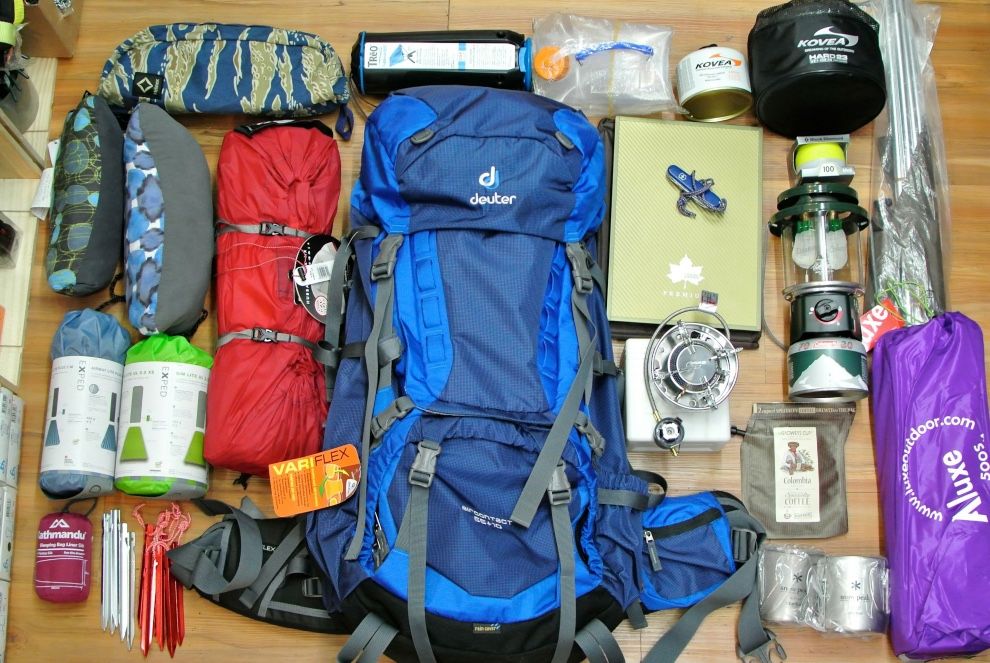
Next, think about where the weight goes. The heaviest items, like your food, water, or cooking gear, should be packed close to your spine and roughly in the middle of your back. This creates a stable centre of gravity and stops the pack from pulling you backward. Lighter, bulkier items like your sleeping bag can go at the bottom, while things you need often, like your rain jacket or snacks, should be at the top or in outside pockets. For more tips on weight placement, check out a guide on packing a backpack for trekking.
Finally, fill every little gap. Stuff smaller items like socks, underwear, or a beanie inside your shoes. Pour your toiletries into small, travel-sized bottles instead of bringing the big ones. Every square centimetre counts!
Packing for an adventure shouldn't stress you out. Adopting a minimalist mindset and using these practical techniques helps you build a pack that works for you, instead of weighing you down. The real journey begins when you're confident you have everything you need, and nothing you don't.