






Planning the Ultimate Motorcycle Road Trip
There’s nothing quite like the freedom of the open road, with the landscape unfolding before you and your motorcycle humming beneath. A well-planned road trip can be the adventure of a lifetime, creating memories that last far longer than the journey itself. But the key to a truly great trip lies in how you get ready for it. Taking the time to sort out the details beforehand means you can relax and enjoy the ride when the time comes.
This guide will walk you through the essential steps for planning your ultimate motorcycle road trip, from mapping your route to ensuring your bike is ready for the miles ahead.
Route Planning and Navigation
Every adventure starts with deciding where you want to go. The UK is home to some of the world's most spectacular riding routes, from the sweeping bends of Scotland's North Coast 500 to the dramatic scenery of the Black Mountain Pass in Wales. Your choice of destination will depend on how much time you have and what kind of riding you enjoy.
Once you have a destination in mind, it's time to map your route. Modern technology offers plenty of options. Apps like Google Maps, Waze, or dedicated motorcycle planners like Calimoto let you create custom routes, helping you avoid motorways in favour of twisty B-roads. You can save your routes offline, which is a lifesaver in areas with poor mobile signal.
However, don't rely solely on technology. A physical map is an invaluable backup and doesn't run out of battery. It also gives you a much better sense of the overall area, helping you spot alternative roads or interesting detours. Plan your daily mileage realistically. Aim for around 150-250 miles per day, which leaves plenty of time for breaks, photo stops, and enjoying the places you pass through. Remember to factor in fuel stops, especially if you're travelling through remote areas where petrol stations are few and far between.
Ensuring a Worry-Free Journey
A successful road trip isn't just about the ride; it's about handling the unexpected with ease. Before you set off, make sure all your paperwork is in order. This includes your driving licence, vehicle registration document (V5C), and MOT certificate. It's a good idea to have both physical and digital copies of these documents.
Breakdown cover is another must-have. Being stranded at the side of a remote road is a sure way to ruin a trip. Check that your policy covers motorcycles and provides recovery to a garage or your home address. Alongside this, you need to protect your bike with insurance that covers you for the type of journey you're taking. Review your policy to understand what's included, such as cover for your riding gear and any legal expenses.
Finally, think about your personal safety and wellbeing. Pack a small first-aid kit with essentials like plasters, antiseptic wipes, and painkillers. Let someone at home know your intended route and your estimated schedule, and check in with them regularly. These simple preparations can make all the difference if something goes wrong.
Essential Gear for Bikers
Packing for a motorcycle trip is an art form. You need to balance having everything you need with the limited storage space on your bike. Your riding gear is the most important consideration, as it's your primary source of protection and comfort.
- Helmet: It must be ECE-approved, fit correctly, and be in good condition. A full-face helmet offers the most protection, while a modular one provides extra convenience for stops.
- Jacket and Trousers: Choose gear that offers abrasion resistance and impact protection. Leather is the classic choice, but modern textiles offer excellent versatility with removable thermal and waterproof liners.
- Gloves and Boots: Your hands and feet are vulnerable, so proper motorcycle gloves and sturdy, over-the-ankle boots are essential.
- Waterproofs: Even if your gear claims to be waterproof, a separate one-piece or two-piece rain suit is a godsend in a proper downpour.
Beyond your riding suit, you'll need to pack clothing for your time off the bike. Use packing cubes to compress clothes and keep them organised in your panniers or tail bag. A basic tool kit tailored to your bike, a tyre pressure gauge, and a puncture repair kit are also wise additions.
Bike Maintenance and Checks
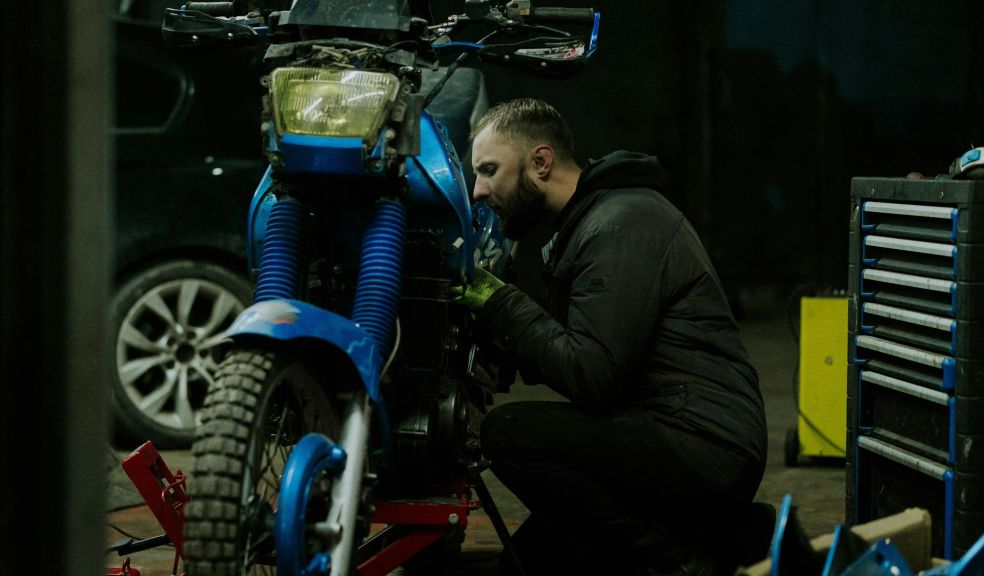
Your motorcycle is your trusted companion on this journey, so you need to make sure it's in top condition before you leave. If you're not mechanically confident, book your bike in for a full service at a reputable garage a few weeks before your trip. This gives you time to sort out any issues they might find.
If you handle your own maintenance, perform a thorough check yourself. A great framework to use is the T-CLOCS checklist, which covers all the critical components:
- T, Tyres and Wheels: Check the pressure, look for any damage or embedded objects, and ensure you have plenty of tread depth.
- C, Controls: Make sure your levers, cables, and hoses are all working smoothly and are not frayed or leaking.
- L, Lights and Electrics: Test your headlights, indicators, brake lights, and horn.
- O, Oil and Fluids: Check your engine oil and other fluid levels like coolant and brake fluid, topping up as necessary.
- C, Chassis: Inspect the frame, suspension, and chain. The chain should be clean, properly tensioned, and lubricated.
- S, Stands: Ensure your side stand and centre stand (if you have one) operate correctly and are not damaged.
Performing these simple pre-ride safety checks before you set off each day will help you spot potential problems before they become serious.
Accommodation on the Road
Where you stay each night can be as much a part of the adventure as the ride itself. The choice between pre-booking your accommodation or finding a place as you go depends on your travel style. Booking ahead provides security and means you don't have to spend the end of your day searching for a room. This is particularly wise if you're travelling during peak season or to a popular event.
On the other hand, not booking allows for spontaneity. If you discover a beautiful area you want to explore for an extra day, you have the flexibility to do so. A good compromise is to book your first and last nights and leave the middle of the trip open.
When looking for places to stay, consider establishments that are biker-friendly. These places often provide specific amenities that make a huge difference, such as secure, covered parking for your motorcycle, drying rooms for wet gear, and a welcoming atmosphere. You can often find directories online that list a wide range of biker-friendly accommodations, from hotels and B&Bs to campsites. Camping can be a fantastic and budget-friendly option, but it does mean carrying more gear.
A motorcycle road trip is your adventure. With thoughtful planning and preparation, you can ensure it's a safe, enjoyable, and unforgettable experience on the open road.