







Motorhome Holidays Are Reshaping the Structure of Domestic Travel Across the UK
There have been so many transformations within the British staycation industries and the days when domestic travel was defined by static seaside B&B or even predictable suxury spa hotels are long gone. Today there is a new architectural shift that is taking the scene and influencing how we navigate the British Isles and this is the rise of the motorhome which is more than just another trend but it’s reshaping domestic tourism and also turning the journey to a destination.
The Death of the Fixed Itinerary
For many years, the UK travel industry was mainly built on the hub-and-spoke model that involved travelers booking a room in town and venturing out during the day before returning to the room at night, often through a traditional travel agency. However, the modern-day traveler is increasingly rejecting this conventional approach and embracing the new trend.
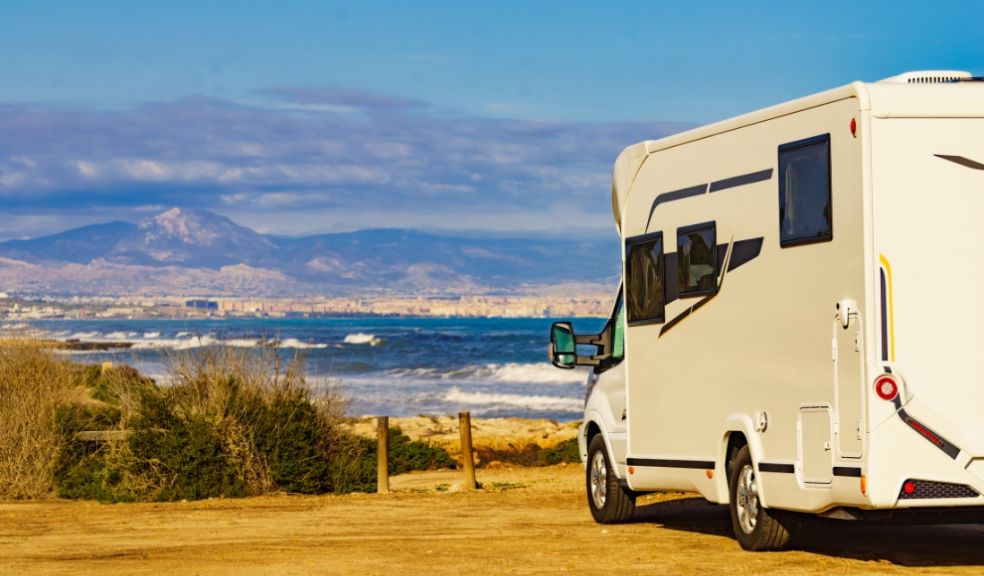
One of the features that make the motorhome appealing is how it defies the rigid itinerary of conventional travel. UK has a landscape that is climatically temperamental and chasing the sun is the ultimate form of luxury. Basically whenever the sky goes darker over the Lake District all the traveler needs to do is to turn the key and go towards the clearer skies of the Northumberland coast. This is the type of fluidity that has caused most people to rethink their holiday planning and also move away from conventional approaches that involves months of bookings to embrace a more spontaneous and weather dependent exploration style.
A New Class of Nomad
Historically, motorhoming carried a "retirement" stigma—a slow-paced hobby for those with time to kill. That demographic has shifted aggressively. We are now seeing a surge in young professionals, digital nomads, and young families seeking "disconnected connection."
The psychological benefit of motorhome travel is profound. There is a specific mental clarity that comes from stripping away the logistics of check-in times, luggage transfers, and overpriced hotel breakfasts. By integrating the transport and the accommodation, the friction of travel is removed. It allows for a deeper immersion in the UK’s "hidden gems"—those tucked-away corners of the Cotswolds or the rugged fringes of the North Coast 500 that lack the infrastructure for large-scale hotels.
The Infrastructure of Freedom
This shift is also visible in the UK's evolving infrastructure. From upgraded campsites with high-speed Wi-Fi to local pubs opening their carparks to "overnighters," the hospitality sector is pivoting to accommodate the mobile traveler.
However, the barrier to entry for this lifestyle used to be ownership. Purchasing a high-spec vehicle is a significant investment, leading to a professionalization of the hire market. When researching motorhome rental companies, travelers are now looking for more than just a vehicle; they are looking for a hotel-grade experience on wheels. For those looking to depart from the South or North, Just Go has become a benchmark in the industry, offering a fleet of modern, fully-equipped motorhomes that bridge the gap between rugged adventure and premium comfort. Their focus on making the transition from a car to a motorhome seamless has been a key driver in bringing new demographics into the fold.
The Sustainability Factor
Interestingly, the rise of the motorhome also aligns with a growing consciousness regarding "slow travel." While a motorhome still uses fuel, the environmental footprint of a domestic road trip is often significantly lower than a holiday involving short-haul flights and the high energy consumption of massive hotel complexes. By shopping at local farm stalls and staying in smaller, community-run sites, motorhome travelers distribute wealth more evenly across rural economies that traditional tourism often bypasses.
The Verdict
The structure of UK travel is no longer a collection of dots on a map connected by stressful transit. It has become a continuous line. The motorhome has democratized the British wilderness, providing a front-row seat to our islands' most dramatic landscapes without the need for permanent developments in pristine areas.
As we look toward the future of domestic tourism, the trend is clear: we are moving away from being “guests” in a building and toward being “residents” of the road, with a growing emphasis on eco tourism and local experiences. The UK is a country best seen through a panoramic windscreen, and for many, there is simply no going back to a stationary room.