







Best Family-Friendly Rafting Near Royal Gorge Bridge: 5 Trips From Age 4 to 13+
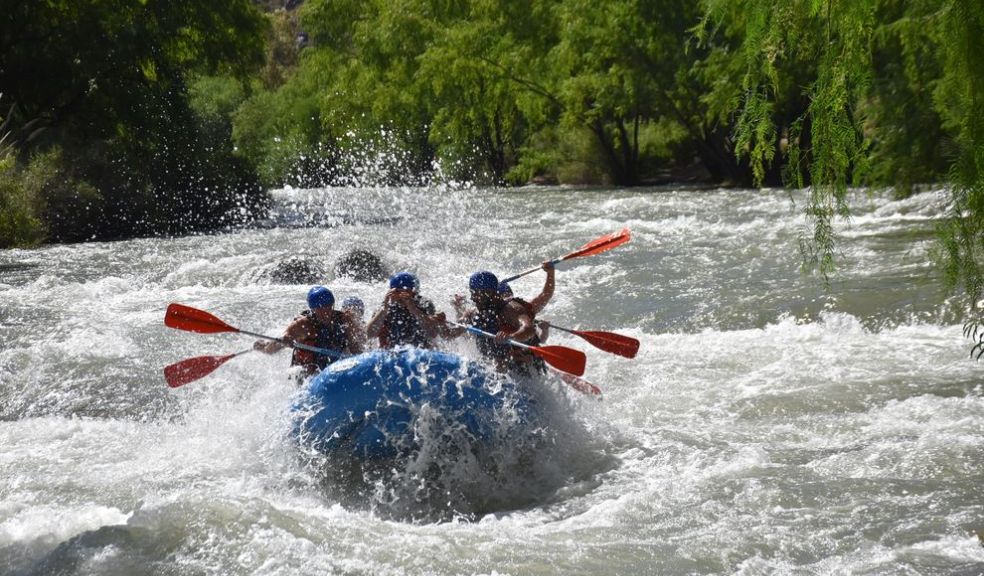
The Arkansas River does not announce itself. You hear it first, a low hush beneath the canyon walls, and then the raft slides off the sand, the guide leans into the oars, and the whole family falls quiet as the granite rises around you. That is the day you are booking. The trouble is that choosing family-friendly rafting near the Royal Gorge Bridge can feel like paddling blind. Booking pages lump toddler floats beside Class IV whitewater, minimum ages wander anywhere from three to eight, and “from $99” rarely survives the checkout screen.
So for this 2026 update we did the homework for you: every option within 45 minutes of the bridge, checked for published minimum age and weight, live seat price, real time on the water, and the way a spring surge can rewrite the rules overnight. What follows are the five trips worth your family’s one perfect river day, matched to your youngest paddler and your budget.
How we chose the five trips that matter
We began with every commercial float or gentle-whitewater trip within roughly 45 minutes of Royal Gorge Bridge, then asked three plain questions of each. Does the outfitter hold a current Colorado Parks and Wildlife river-outfitter license? Does it publish a 2026 seat price? Does it state a minimum age in black and white? Miss one of those, and the trip slipped quietly to our “worth a look” list.

The survivors then met a seven-factor scorecard. What mattered most was whether the trip truly suits a child: a minimum age or weight has to be realistic for a first-time rafter. Close behind came safety and flow transparency, meaning whether the outfitter publishes high-water age changes and guide certifications. We weighed proximity and logistics (drive time, shuttle length, somewhere dry to change) alongside price clarity, the gap between the headline rate and the checkout total. Mixed-age comfort, meaning oar rigs or paddle-assist boats for nervous children and grandparents, counted too, as did on-site facilities such as playgrounds, restaurants, and zip-lines. Finally we listened to families themselves, reading recent parent reviews rather than star averages, to be sure the river matched the brochure.
The five that rose to the top each solve a different family problem, so we rank them by the kind of day they give you rather than by sheer adrenaline.
The five trips at a glance
Before the stories, the essentials. Prices and policies were verified in September 2026, and every figure below excludes taxes, land-use fees, photos, and gratuities.

Traveling with four- and five-year-olds, or a spread of ages? Circle the Echo Canyon Scenic Float: children from four years and 35 pounds, mild Class I to III water, about an hour and a half afloat, $132 a seat for adults and children alike (roughly $528 for four), ten minutes from the bridge.
Cautious first-timers will feel at home on Arkansas River Tours’ quarter-day Cottonwood Canyon run: the same four-year, 35-pound threshold, Class I to II plus rapids, an hour to an hour and a half on the water, $109 for adults and $89 for children ($396 for four), and a 40-minute drive.
Watching the budget with little ones in tow? Journey Quest’s Family Float takes children from three, runs Class II to II plus for two to three hours, and costs $89 for adults and $79 for children (about $336 for four), ten minutes from the bridge.
For a small-outfitter feel, Lost Paddle’s Bighorn Half-Day takes children from six (no published weight minimum, and the age can rise when flows surge) through Class II to III water for about two hours. Adult seats are $89, child discounts are quoted by phone, and a family of four lands at roughly $356, ten minutes away.
For an all-in-one base, Royal Gorge Rafting’s Bighorn run takes children from six, or eight in high water, through Class II to III rapids on a day that fills about three hours. Seats are $139, so four pay $556 plus park fees, ten minutes from the bridge.
One thing to know before you read on: high water, usually from late May into June, can raise both the rapid class and the minimum age on every Bighorn trip, not only Royal Gorge Rafting’s. Check the Parkdale gauge the evening before you book.
1. Echo Canyon Scenic Float: why it leads the pack
Echo Canyon River Expeditions has been family owned since 1978, and the Scenic Float shows that experience in the best possible way. The company rows this run in large oar boats that hold seven to eight people, and every guide passes a four-to-five-week training program with well over 100 hours on the river, more than double the state’s 50-hour minimum. You feel those guardrails before you feel the water: the safety talk is calm, your child’s life jacket is sized before the raft touches the shallows, and because the guides row, nobody in your boat has to be a paddle powerhouse. Small arms rest, cameras come out, and the canyon does the rest.
A 2026 seat costs $132 per person, about $528 for a family of four before tax and fees. The base is ten minutes from Royal Gorge Bridge, with changing rooms on site and the 8 Mile Bar & Grill next door, which means one parking lot and no damp drive in search of lunch.
If your crew would rather make one reservation and let the day unfold, Echo’s Raft-n-Rail package pairs a morning Bighorn Sheep Canyon run (ages six and up, so not the Scenic Float) with a two-hour ride on the Royal Gorge Route Railroad, leaving just enough of a pause for lunch at the 8 Mile. Echo gathers the full menu of options in its guide to family friendly adventure packages near Royal Gorge, so you can match the train, the bridge, or a zip-line add-on to your children’s attention span and your budget. Do the sums first; convenience often wins over cash savings, and that is fine.
A word on safety: Echo keeps the minimum age at four in normal flows, but that threshold can rise when the Parkdale gauge surges in late spring. Check the live reading the night before you book and confirm the rule when you call.
2. Arkansas River Tours Cottonwood Canyon: the gentle introduction
Think of Cottonwood Canyon as the river’s appetizer, with just enough splash to taste whitewater without startling a first-timer. The quarter-day version launches near Cotopaxi and keeps you on the water for about an hour, long enough for the canyon walls to close in and open out again, short enough that nobody asks how much longer.
Children join from four years and 35 pounds, though that bar may rise when spring flows surge, so glance at the Parkdale gauge the night before. The rapids are typically Class I to II plus; some pages list II to III, so ask which stretch runs on your date. In 2026 a seat costs $109 for adults and $89 for children, $396 for a family of four before tax and fees, with wetsuits, booties, and life jackets included. The drive from Royal Gorge Bridge is about 40 minutes.
That detour complicates a same-day bridge or train plan, but if you are starting from Colorado Springs or Salida you will barely notice the extra miles. Choose Cottonwood when the youngest, or the oldest, paddler wants gentle current, canyon scenery, and a trip that ends before attention spans run dry.
3. Journey Quest Family Float: stretch your dollars, not your nerves
If cost is the gatekeeper, Journey Quest swings the gate wide. Seats for 2026 run $89 for adults and $79 for children, about $336 for a family of four before tax and photos, and the price already covers wetsuits, splash jackets, and river shoes.
The route whispers adventure rather than shouting it: gentle Class II wave trains, big-sky views, and enough current to keep paddles moving without drenching the timid. With a published minimum age of three, your four-year-old clears the bar easily, which is a rare find this close to Royal Gorge Bridge.
Journey Quest is openly a Christ-centered wilderness ministry. Guides often begin with prayer and weave faith into the day. Families who value that will love the authenticity; secular travelers will appreciate knowing the format before they book.
The logistics feel anything but bargain-basement. The Royal Gorge office is about ten minutes from the bridge, and the float keeps you on the water for two to three hours, long enough to feel like an adventure and short enough to dodge the “are we there yet” hour. Photos cost extra, so tuck away a little souvenir money.
Age and route can shift if late-spring flows spike. Check the Parkdale gauge the night before and confirm the minimum age when you call.
4. Lost Paddle Bighorn Half-Day: big rapids, small-company heart
Lost Paddle feels nothing like a theme park. The owners still answer the phone, the guides learn first names, and the new base on County Road 3A sits about ten minutes from Royal Gorge Bridge.
The half-day run turns up the tempo with Class II to III splashes, lively but forgiving. The minimum age is six at most water levels, and that bar can rise when spring flows surge, so check the Parkdale gauge and confirm before you pay. Lost Paddle publishes no weight minimum, so ask if your child is small for six.
Adult seats start at $89 in 2026, and a child discount brings a family of four to roughly $356 before tax, gear, and photos. The website does not say whether wetsuits are included, so ask when you book. If younger siblings need gentler water, request the Little Horn town float, a Class I to II alternative. Cancellations need 14 days’ notice and carry a 15 percent fee.
Choose Lost Paddle if you want real whitewater with a personal touch, river lore instead of loudspeakers, and a guide who remembers your child’s name by the first rapid.
5. Royal Gorge Rafting Bighorn and Classic Zipline: one hub, many thrills

Royal Gorge Rafting Adventure Hub with Bighorn run and Classic Zipline combo.
If you would rather park once and let the day carry you, Royal Gorge Rafting’s Adventure Hub delivers. The Bighorn run launches about ten minutes from the bridge, serves lively Class II to III waves in normal flows, and spills straight into a nine-line zip course, a restaurant, and lodging.
The minimum age is six in normal flows and eight when the Parkdale gauge spikes, so check the reading the night before. In 2026, rafting costs $139 per person with land-use fees added at checkout, or $209 for the Bighorn and Classic Zipline combo with lunch. A family of four pays roughly $556 for rafting alone or $836 for the combo before tax and photos. Allow about three hours door to door for roughly ten river miles.
The combo seldom saves much money compared with booking the pieces separately; convenience is the real prize. You skip the shuttles between attractions and the damp car rides with hungry children, and non-rafters can wait at the Whitewater Bar & Grill or wander the lodging grounds while the paddlers return.
Choose this hub for a “we did it all” day: whitewater, zip-lines, burgers, and sunset stories, without once folding the stroller back into the trunk.
Worth a look: two near-miss options
River Runners’ Bighorn Half-Day is the technician’s choice. You can ask about boat options, guide certifications are spelled out online, and a 48-hour full-refund policy beats many rivals. Seats cost $109 per person in 2026, roughly $436 for a family of four before tax and fees, for the same Class II to III splash level as Lost Paddle, with a six-year, 50-pound minimum of its own. What keeps it out of the top tier is amenities. With no on-site playground or restaurant, non-rafters need separate plans. If raft-only value and clear safety credentials matter more to you than creature comforts, add River Runners to your shortlist, and remember that high water can raise the age limit, so check the Parkdale gauge first.
Few days beat floating a canyon in the morning and rolling through it on vintage rail in the afternoon, and Raft Masters’ Rail and Raft Combo does exactly that, bundling lunch, digital photos, cold-water gear, and a beginner Bighorn Sheep Canyon run for ages five and up. As of our September 2026 check, the package costs $238 for adults and $233 for children, with a gentler Family Float version for ages one and up from $204 and $179, both running from late May through early September. If the dates fit and the number lands close to your budget, it may be the most seamless way to mix steel rails with river spray.
Choose River Runners if a generous cancellation policy and published guide certifications top your list, and Raft Masters if riding the rails after the rapids is the dream. Otherwise, the five trips above already cover the prime mix of age range, price, and on-site convenience.
Pick the trip that matches your youngest adventurer
Ages 3 to 5 (35 pounds and up)
Gentle floats only. Journey Quest welcomes three-year-olds, while Echo and Arkansas River Tours start at four and require a 35-pound life-jacket fit. The rapids stay mild, Class I to easy III, and the guides row, so small arms can rest between photo-op paddles.
Ages 6 to 7
Bighorn Sheep Canyon opens up if flows stay moderate. Check the Parkdale gauge the evening before (USGS site 07094500); a surge can lift the minimum age to eight. Ask for an oar or paddle-assist rig to ease new rafters into real whitewater.
Ages 8 to 12
All five main picks are now on the table. Children this age are tall enough for most zip-line harnesses and sturdy enough for longer water time, which makes combo days with the bridge or the railway a sweet spot.
Ages 13 and up
Teenagers may beg for the true Royal Gorge run, a Class III to V ride. Remind them that it typically requires strong swimmers aged 16 and over during spring flows. Starting with Bighorn keeps the thrills high and the risk realistic.
Multi-generational groups
Plan for the least confident paddler, not the boldest. A scenery-loving grandparent will smile longer on a scenic float than on a borderline Class III wave train. Comfort beats Instagram likes every time.
Why river flow shapes your day on the water
Whitewater is never a fixed ride. Snowmelt swells the Arkansas each May and June, friendly midsummer waves follow, and late-summer levels can drop to rock-dodging lows. Outfitters adjust rapid class and minimum ages the moment those numbers change.
The gauge that matters is the USGS Parkdale site (07094500), just upstream of most family launches. On August 31, 2026 it read 262 cubic feet per second, less than half the long-term median for that date. Low flow softens the waves but exposes boulders and slows the trip. High water, around 3,200 cfs or above, brings bigger waves, longer swims, and child cutoffs that rise to eight.
Your move is simple. Check the live Parkdale reading the night before (search “USGS 07094500”), then call the outfitter to confirm which section they plan to run at that flow and whether the age or weight bar will change for your date. A ten-second check means zero surprises at the counter.
A smart parent’s pre-booking checklist
Guides love informed guests. Ask these six questions before you swipe the card and you will step onto the raft confident.
- Boat type. Will you ride in an oar rig, a paddle raft, or a paddle-assist hybrid? Oar rigs suit nervous children and tired arms; paddle rafts hand the workout to the family.
- Life-jacket fit. Does the outfitter have a Coast Guard-approved jacket that cinches snugly on your lightest child before the cancellation window closes? No jacket, no trip.
- Group size. How many guests share one guide, and what does a private raft cost? Fewer bodies usually mean more space and calmer nerves.
- Safety roles. Will a rescue kayaker shadow the trip? Are all guides current on CPR, first aid, and swiftwater rescue? Reputable companies say yes without hesitation.
- Hidden costs. Ask about land-use fees, photo packages, wetsuit rentals, and gratuity guidelines so the checkout total does not surprise you.
- Flow triggers. At what Parkdale reading does the minimum age or weight rise? If the water spikes overnight, do you get a refund, a credit, or a gentler section, and is that policy in writing?
One five-minute phone call covers the list. Cross off each item and turn your attention to the fun rather than the fine print.
What will rafting really cost?
Sticker prices shout from every brochure, but the number you swipe at checkout is usually higher. Here is how the river economy works, with prices verified in September 2026.
Start with the seat: $79 for a child on Journey Quest’s Family Float, up to $139 on Royal Gorge Rafting’s Bighorn run. Multiply by four and you have a family base. Then the quiet line items arrive. Many operators add state-park or land-use charges at checkout. Echo, Journey Quest, Arkansas River Tours, and Royal Gorge Rafting include wetsuits and river shoes (Royal Gorge Rafting still adds park fees), while Lost Paddle does not publish its gear policy, so ask. Photos run $40 to $60 unless a premium package covers them, and only combo tickets such as the Bighorn and Classic Zipline include lunch.
Put it together for two adults and two children and the picture sharpens. Journey Quest’s Family Float starts at $336 in seats and, with gear included, lands at about $350 all in. Lost Paddle’s Bighorn comes in at $356 or less in seats, and about $400 once you ask about gear and photos. Arkansas River Tours’ Cottonwood quarter-day is $396 in seats and about $430 with photos. Echo’s Scenic Float is $528 in seats and about $580 once photos and bridge tickets join the day. Royal Gorge Rafting’s Bighorn is $556 in seats and about $610 with park fees and photos. Taxes and gratuity sit on top of all of those, so always check the live cart.The lowest headline fare is not always the least expensive after the add-ons, especially once bridge, train, or zip-line tickets join the list. Packages may save only $10 to $15, yet they fold the logistics into one booking and one timetable. Treat the seat price as step one, list every extra your crew will realistically buy, and give the calculator five minutes today rather than a $50 surprise tomorrow.
Seamless days: bridging rafting, bridge, and train without the rush
A great itinerary should flow like the river, not bounce between parking lots. Four proven patterns, with times verified in September 2026, weave rafting, the bridge, and the canyon railway into one smooth arc.
Bridge first, float later. The gates open at 9 am and the rides start at 10, so the gondola, Playland, and zip-line queues are shortest in that first hour. Explore, take an early lunch, then drive about ten minutes to an afternoon Scenic Float or Cottonwood quarter-day. You never sprint for the last gondola.
Raft first, bridge second. Book a 9 am Bighorn trip to stay cool, then change, refuel, and reach the bridge by 3 pm. Two hours is plenty to stroll the span and let toddlers burn off energy in Playland before dinner.
Train and raft packages. Echo’s Raft-n-Rail (mid-June to early August) and Raft Masters’ Rail and Raft coordinate the timings for you. If you are self-booking, allow at least 90 minutes between the raft’s return and train check-in; canyon traffic can add 20 minutes on peak Saturdays.
The two-day, low-gear plan. Spend day one at the bridge in the morning, the gondola and playground after lunch, and an easy dinner in Cañon City. On day two, the rafters raft while everyone else settles into the Whitewater Bar & Grill or the Royal Gorge Dinosaur Experience, and you reunite for ice cream and trip photos at sunset.
The key move is to confirm bridge and train times the week before. Hours shift after Labor Day and rail schedules flex for charters. Lock the timetable, then settle into canyon rhythm.
Your top questions, answered
Do these family trips raft under the Royal Gorge Bridge?
Most do not. The bridge spans a Class IV to V gorge best left to older, stronger swimmers. Family floats and Bighorn runs glide upstream in calmer water, so you still see the canyon walls without the intense drops.
Can a 4-year-old really join?
Yes, on the right trip and as long as they clear the 35-pound life-jacket rule. Echo’s Scenic Float and Arkansas River Tours’ Cottonwood Canyon both welcome that age in normal flows. Check the Parkdale gauge the night before and call the outfitter to be sure a flow spike has not lifted the minimum age.
What if my child can’t swim?
Plenty of beginners raft safely each summer, but honesty is vital. Tell the outfitter up front, ask for a snug life-jacket fit, and stick with Class I to II water. Guides seat non-swimmers near the middle of the boat and keep a closer eye on them.
Is low water automatically safer?
Lower flow softens the waves but exposes rocks and can stretch the trip, which tires children. High water speeds everything up and lifts the wave height. Ask the guide which hazards dominate at the current Parkdale reading, then decide what feels right for your crew.
How late in the season can we go?
Most outfitters run through early September. After Labor Day, cooler mornings, colder water, and shorter daylight mean thicker wetsuits and fewer departures. Prices rarely drop, so book for comfort rather than chasing discounts.
Can grandparents ride along?
Absolutely, provided they can sit upright for about an hour, follow simple paddle commands, and re-enter the raft with help if they fall out. Request an oar rig or paddle-assist setup so the guide carries most of the workload.
Do package deals really save money?
Sometimes by $10 to $15, often by convenience alone. The bigger win is the scheduling: one reservation, one check-in, no sprint between attractions. Run the numbers, then decide whether your family values cash or calm more.
Conclusion
Still torn? Call two outfitters with the same questions and trust the one that answers clearly. Then pick the trip that fits your youngest paddler, check the gauge the night before, and let the river do what it has always done best: turn an ordinary afternoon into the story your family tells for years.