










Road Trip Ready: Preparing for Your First Big Drive
Going on your first big road trip is a true milestone. It’s your chance to explore beyond your usual stomping grounds and really feel that freedom the open road offers. The thought of packing up the car and heading for the horizon is exciting, but it also takes some careful planning to make sure your journey is smooth, safe, and memorable for all the right reasons. This guide will walk you through the essential steps to get ready for your adventure, from mapping your journey to packing the must-haves.
Planning Your Route
A great road trip balances a solid plan with enough flexibility for spontaneity. Start by picking your main destination and any places you absolutely want to see along the way. Use digital mapping tools like Google Maps or Waze to get a realistic idea of how long the driving will take. Always add extra time for unexpected traffic, roadworks, or those spur-of-the-moment photo stops.
Try not to cram too much driving into one day. Limiting your driving time and allowing plenty of breaks can help prevent fatigue and give you more time to actually enjoy the places you're passing through. Book your overnight stays in advance, especially during busy travel seasons, to avoid the stress of hunting for a room at the last minute. For more advice on balancing driving time with sightseeing and building flexibility into your itinerary, check out this guide to planning a European road trip without the stress.
While technology is super helpful, don't rely on it completely. Mobile signal can be spotty in rural or remote areas, so it's smart to have an offline map or a traditional road atlas as a backup. Also, plan your fuel stops. In sparsely populated regions, petrol stations can be few and far between.
Vehicle Checks and Safety
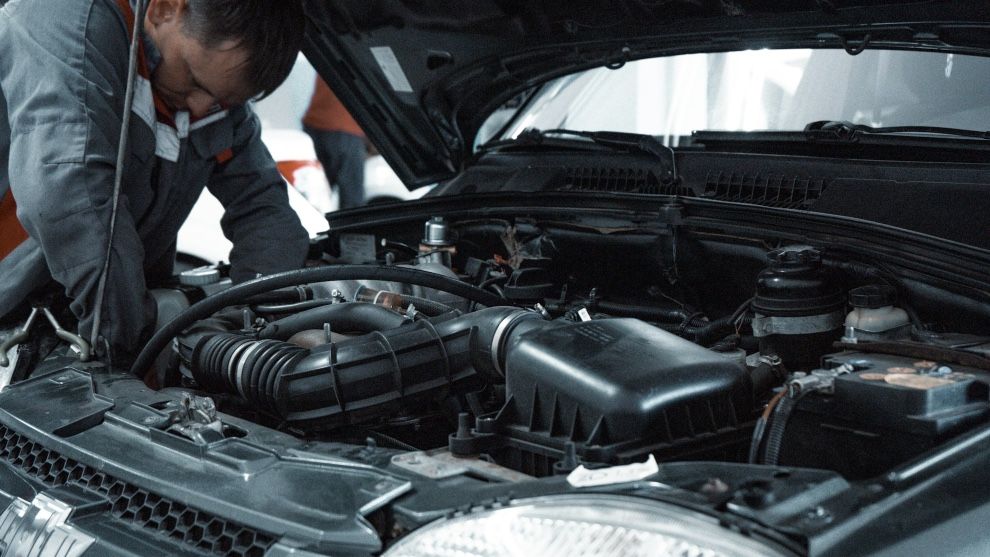
Your car plays a central role in any road trip, so making sure it's in top shape is a must. A few simple checks before you leave can stop a breakdown from ruining your adventure. If you're not comfortable doing these yourself, book your car in for a service at a local garage.
Here are the key things to check:
- Tyres: Check the pressure of all four tyres (and your spare) and make sure they're inflated to the manufacturer’s recommended levels. Look at the tread depth to ensure it’s well above the legal minimum.
- Fluids: Check your oil, coolant, and screenwash levels and top them up if needed. A long journey can put extra strain on the engine, so having the right fluid levels is crucial.
- Lights and Wipers: Test all your lights – headlights, indicators, brake lights, and fog lights – to make sure they're working. Check your windscreen wipers for any signs of wear, because you never know when a sudden downpour might hit.
Beyond the mechanical stuff, make sure your paperwork is in order. This includes your driving licence, vehicle registration, and insurance documents. For those still learning to drive, appropriate insurance is essential. Learner driver insurance from Marmalade can provide cover for provisional licence holders practising in a borrowed car, helping them build experience before a big trip. Having these essential vehicle checks and documents sorted will give you peace of mind as you set off.
Mastering the Open Road
Once you're on your way, the focus shifts to driving safely and comfortably. Long-distance driving has different challenges than your daily commute. Fatigue is one of the biggest risks, so it's vital to recognise the signs. If you feel your concentration slipping or your eyes getting heavy, pull over at the next service station or safe stopping place for a break. A short walk, a coffee, or even a 20-minute power nap can make all the difference.
Sharing the driving is an excellent way to manage fatigue. If you're travelling with another qualified driver, plan to switch every couple of hours. This keeps both drivers fresh and alert. You should also familiarise yourself with the specific motorway driving rules if you're not used to them, such as lane discipline and how to use smart motorways correctly.
Inside the car, create a calm and focused environment. While a good playlist is a road trip essential, avoid music that's so loud it becomes a distraction. Keep your phone out of sight and on silent, or connected via a hands-free system for navigation. Finally, keep an eye on your fuel gauge. Don't wait until the warning light comes on to find a petrol station, especially in unfamiliar territory.
Packing Smart for Travel
How you pack can really impact your road trip experience. Overpacking can make the car feel cramped and messy, while under-packing might leave you without something you truly need. The key is to be organised and thoughtful.
Start with the absolute essentials: your driving licence, insurance details, breakdown cover information, and payment cards. Keep these in a small, easily accessible bag, not buried in a suitcase in the boot. For clothing, pack layers you can add or remove depending on the weather. Using packing cubes can help you categorise your clothes and keep your suitcase tidy.
Beyond clothes, think about comfort and convenience. A small cooler box with water and snacks will save you money and time at service stations. A travel pillow and blanket can make a huge difference for passengers wanting to rest. For entertainment, download playlists, podcasts, and audiobooks to your phone before you leave. A portable power bank is also a must-have for keeping your devices charged on the go. When loading the car, place heavier items low and in the centre of the boot, and be careful not to block your rear view with luggage.
Emergency Preparedness
Even with the best planning, things can sometimes go wrong. Being ready for minor emergencies will help you handle them calmly and effectively. Every car should have a well-stocked roadside emergency kit. This doesn't need to be huge, but it should contain a few key items.
Your kit should include:
- A high-visibility jacket
- A warning triangle
- A torch with spare batteries
- A basic first-aid kit
- Jump leads
- A tyre pressure gauge and pump
It’s also crucial to have a breakdown recovery plan. Make sure your cover is up to date and save the contact number in your phone. If you do break down, your priority is the safety of yourself and your passengers. Pull over to the hard shoulder or as far left as you can, turn on your hazard lights, and exit the vehicle from the side away from traffic. Stand behind the safety barrier while you wait for assistance. Having a fully charged phone is your lifeline in this situation, which is another reason a portable power bank is so valuable.
Getting ready for your first road trip is part of the adventure itself. By taking the time to plan your route, check your vehicle, and pack smartly, you're setting yourself up for an incredible journey filled with new sights and lasting memories.