










Achieving Peace of Mind on Your Next Journey
The dream of a perfect holiday often means a complete escape: leaving daily stresses behind to relax on a sunny beach or explore a bustling new city. But for many, a nagging anxiety can tag along. What if the luggage gets lost? What if someone gets sick? These worries can stop us from truly unwinding. The secret to a genuinely carefree trip isn't ignoring potential problems. It's preparing for them, so you can handle anything that comes your way without derailing your whole holiday.
The Value of Thorough Planning
Good travel planning goes way beyond just booking flights and a place to stay. It's about setting up your trip so you worry less and can really get lost in the places you visit. When you plan well, you won't be frantically searching for a decent restaurant at 9 p.m. or finding out the museum you wanted to see is closed on Tuesdays. It's about building a trip that matches what you truly want to do, which is the heart of meaningful trip planning.
Start by looking into your destination. Find out about local customs, learn a few basic phrases, and check public transport options. Sketch out a rough itinerary, grouping activities by location to save travel time. This doesn't mean scheduling every minute; think of it as a flexible guide. Having a few key spots mapped out for each day leaves plenty of room for spontaneous discoveries while making sure you don't miss your must-sees.
Budgeting is another crucial step. Track your costs before the trip and create a realistic daily budget for food, activities, and souvenirs. Using a travel-friendly bank card can help you avoid high foreign transaction fees. This foresight prevents the common holiday stress of running out of money or coming home to a shocking credit card bill.
Understanding Travel Risks
Nobody wants to think about what could go wrong on holiday, but being realistic about potential risks is the first step to dealing with them. Travel risks can be anything from small annoyances that ruin an afternoon to major crises that cut a trip short. Understanding what you might face helps you pack, plan, and protect yourself.
Common issues include:
- Logistical Hurdles: These are the most frequent problems, like delayed or cancelled flights, lost luggage, or a hotel booking that can't be found. While usually fixable, they can cause a lot of stress and eat into your precious holiday time.
- Health and Safety: Getting sick or hurt abroad is a big worry for many travellers. This could be simple food poisoning or a more serious accident needing hospitalisation. Personal safety is also a concern, with risks like petty theft or scams being more common in some tourist spots.
- Major Disruptions: These happen less often but have a bigger impact. They can include natural disasters, political unrest where you're going, or a family emergency back home that forces you to leave early.
Acknowledging these possibilities isn't about being scared. It's about being practical. Knowing a bag could go missing encourages you to pack essential medication in your hand luggage. Realising how expensive medical care abroad can be highlights why a safety net is so important.
The Role of Comprehensive Cover
Once you understand the possible risks, the next logical step is to get a safety net, and that's where insurance comes in. A good policy acts as a financial cushion against the unexpected, covering costs that could otherwise be huge. Standard travel insurance usually covers key areas like medical emergencies, trip cancellation or interruption, and lost or stolen baggage.
When picking a policy, look past the price. Scrutinise the details of what's covered. Check the limits for medical expenses, make sure it covers getting you home if needed, and understand the excess. Not all travel is the same, and your cover should match your specific plans. If you're planning to ski or scuba dive, you'll likely need to add cover for adventure sports, just as you would when planning your next hiking holiday.
Similarly, if your travel involves specific assets, like a touring caravan, standard travel insurance might not be enough. For these situations, you need a policy made for the vehicle itself. For instance, Safeguard are a company in the UK that have been offering caravan insurance for a while, and their focused expertise can be invaluable for understanding the specific risks of road travel and mobile living. This kind of specialised cover protects the vehicle, its contents, and your liability on the road, offering a layer of security a general travel policy simply can't.
Emergency Preparedness
Having an emergency plan is one of the best ways to reduce travel anxiety. Knowing you have the right information and resources at your fingertips can turn a potential crisis into a manageable problem. Being truly prepared boosts every journey, giving you the confidence to explore freely.
Before you leave, put together an emergency toolkit, both digital and physical:
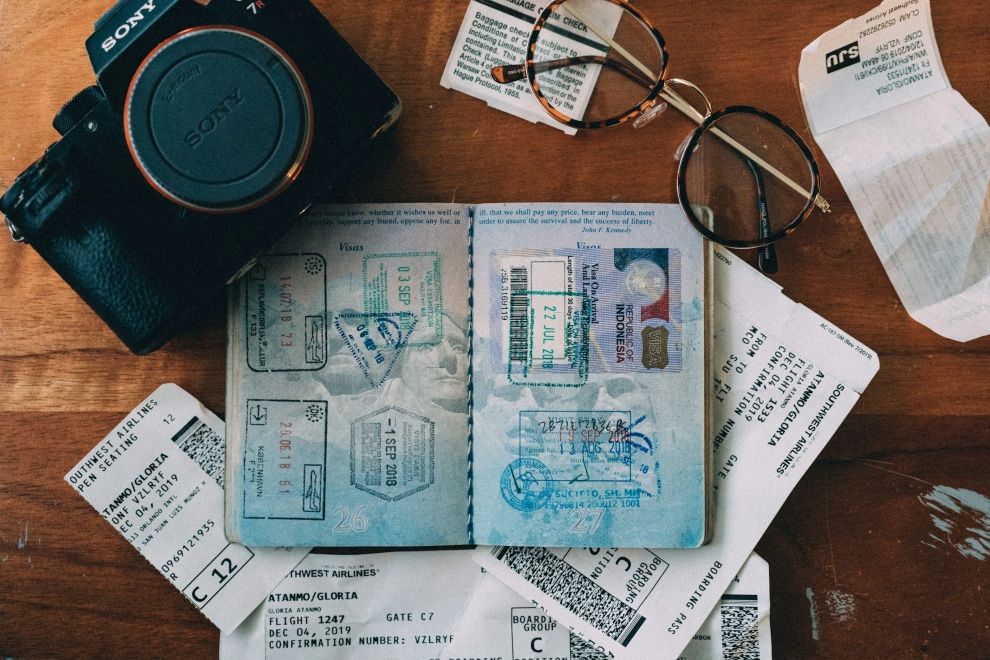
- Important Documents: Make two photocopies of your passport, visas, driving licence, and insurance policy. Leave one copy with a trusted person at home and keep the other with you, separate from the originals. Also, save digital copies to a secure cloud service like Google Drive or Dropbox.
- Emergency Contacts: Gather a list of essential phone numbers. This should include your bank's 24-hour hotline for lost cards, your insurance provider's emergency assistance number, and the contact details for the nearest British embassy or consulate in your destination.
- Health Kit: Pack a small first-aid kit with essentials like plasters, antiseptic wipes, pain relief, and any personal medication you need. Carry a copy of your prescription for any required medicines.
- Financial Backup: Don't rely on just one source of money. Carry a mix of local currency cash and at least two different bank cards. Tell your bank about your travel plans to prevent your cards from being blocked for unusual activity.
Enjoying the Journey Carefree
All this talk of planning, risks, and insurance might seem to contradict the idea of a carefree holiday. But the opposite is true. By doing the hard work upfront and putting these safety nets in place, you free yourself from all the "what ifs" that will plague a trip. You've done the preparation, so now you can enjoy the rewards.
This preparation is one of the core stress-free travel secrets that experienced adventurers swear by. When you know your health is covered, your documents are backed up, and you have a plan for common mishaps, you can be fully present. You can savour that delicious meal, hike that extra mile, or say yes to a spontaneous boat trip without a cloud of worry hanging over you.
The goal of preparing isn't to get rid of all spontaneity but to enable it. It gives you a solid base from which you can safely and confidently leap into the unknown. When you're not worried about the basics, your mind is free to soak up the sights, sounds, and smells of a new place. You can connect more deeply with the culture and the people you meet, creating memories that will last a lifetime.
Ultimately, the groundwork you lay before you even pack your bags is what allows you to truly switch off. It transforms your holiday from a logistical exercise full of potential problems into a genuine escape, where your only job is to relax, explore, and enjoy.