









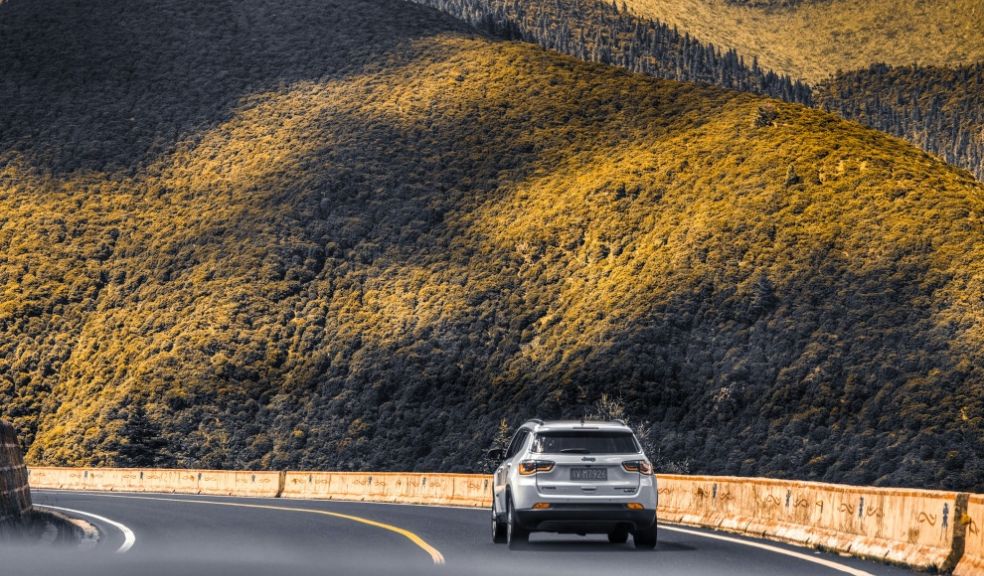
How to Make the Most of a Last-Minute Road Trip
There’s a unique freedom that comes from hitting the road with no fixed destination or strict schedule. Spontaneous road trips aren't really about the endpoint; they're all about the adventure along the way. This guide will show you how to master flexible travel, from last-minute planning to finding unexpected treasures. That way, you can confidently answer the call of the open road whenever it beckons.
Embrace the Open Road
A successful spontaneous trip really comes down to having the right mindset. You need to let go of needing a detailed itinerary and be okay with not knowing everything. If you're flexible, you'll see detours as opportunities, not problems. That quirky roadside attraction or the scenic route a local suggests could easily become the best part of your whole trip. The idea is to be present and open to whatever happens, instead of just ticking off a pre-planned list of sights.
This way of thinking turns travel from a chore into a real experience. It's about the joy of discovery and the simple pleasure of driving with the windows down, listening to a great playlist. Some travel experts say the perfect spontaneous road trip works best because of this very flexibility and willingness to explore. When you stop worrying about a rigid plan, you make room for happy accidents. You might stumble upon a village festival, a stunning viewpoint not in any guidebook, or a charming cafe with the best cake you've ever tasted. These are the moments that truly make a journey memorable.
Planning Your Impromptu Getaway
While spontaneity is key, having absolutely no plan can just lead to stress. The trick is to sort out the essentials without over-scheduling every little detail. Start by picking a general direction instead of a specific destination. Are you heading for the coast, the mountains, or just exploring the countryside? A rough direction gives you focus without boxing you in.
Next, set a loose budget. Decide how much you're comfortable spending each day on food, petrol, and accommodation. This financial guideline will help you make choices without dictating every move. It's also smart to quickly check for any big events, holidays, or road closures in the area you're heading towards. You don't want your spontaneous trip to clash with a huge festival that's booked out every hotel for miles. Following a few simple road trip planning steps can give you a basic framework. It’s often a good idea to book your first night's accommodation, especially if you're leaving later in the day. This takes away the pressure of finding a place to sleep when you're tired, leaving you free to be more spontaneous on day two.
Navigating Vehicle Logistics
Your vehicle is your ticket to freedom on a road trip, so making sure it's ready for the journey is vital. Before you leave, do a few basic checks. Look at your tyre pressure, top up your screen wash, and check the oil and coolant levels. These simple steps can prevent common roadside issues. Make sure your breakdown cover is up to date, and you have the contact details saved in your phone.
Insurance is another important point, especially if you’re borrowing a car or sharing the driving with a friend who isn't on your annual policy. Adding a named driver to a standard policy can be a slow and sometimes expensive process. This is where flexible cover can help. On Jaunt's website, they say that their temporary car insurance starts from one hour up to 28 days, making it an option for short trips when you need cover for a specific period. This can be useful when sharing driving duties without making long-term changes to the vehicle owner's policy. Always check the policy terms to confirm the available cover and duration before setting off.
Packing Smart for Flexibility
For a spontaneous trip, what you pack is almost as important as what you leave behind. The goal is to be ready for different situations without being weighed down by too much stuff. A capsule wardrobe built around layers works best. Pack neutral, comfortable basics that you can mix and match, and add a few key items like a waterproof jacket and a smart-casual outfit. This way, you're prepared for an impromptu hike, a sudden downpour, or a nice dinner out.
Beyond clothes, focus on multi-purpose essentials. A well-stocked first-aid kit, a portable power bank for your devices, and a reusable water bottle are absolute must-haves. Download offline maps for your chosen region in case you lose signal in a remote area. Instead of bulky guidebooks, use apps that can help you find accommodation, campsites, or points of interest on the go. Packing cubes can help keep your boot organised, making it easy to find what you need without unpacking everything at every stop. The aim is to pack for adaptability, ensuring you’re comfortable and ready for wherever the road takes you.
Discovering Hidden Gems
The real magic of a spontaneous road trip comes from unexpected discoveries. To find these hidden gems, you need to look beyond the main motorways and popular tourist spots. One of the best ways is simply to talk to people you meet along the way. Ask the barista at a local coffee shop for their favourite viewpoint or the owner of a B&B for a good place to eat. Their insider knowledge is often more valuable than any travel guide.
Embrace the detour. If you see a brown tourist sign pointing to a historical site, a nature reserve, or a "scenic drive," consider following it. These signs often lead to fascinating places that are easily missed if you're just trying to get from A to B. Many guides on how to plan an extraordinary road trip highlight the importance of veering off the beaten path. Using map apps to find smaller, more winding B-roads instead of major A-roads can also reveal beautiful landscapes and quaint villages. Learning these essential steps for an epic adventure will help you turn a simple drive into an unforgettable journey. Be curious, be observant, and don't be afraid to go where your curiosity leads you.
The next time you have a free weekend and a desire for adventure, just pack a bag, sort out your vehicle, and start driving. You might be surprised at what you find when you don’t know exactly what you’re looking for.