









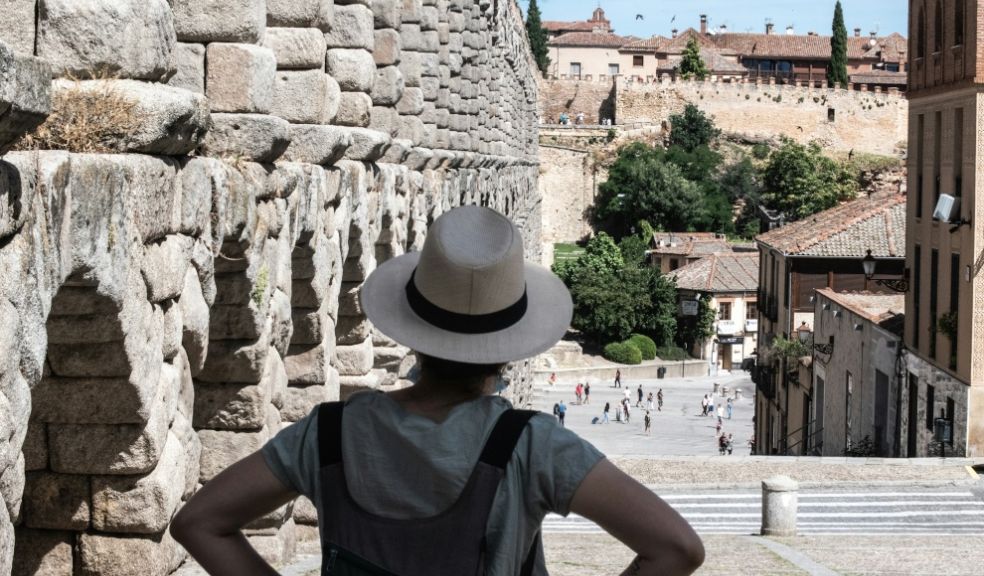
Travel for Reset: Rejuvenate with Historical Reflections
Sometimes a vacation isn't just about escaping work; it's about hitting the reset button on your whole outlook. Sure, a week on a sunny beach is great, but there's a different kind of refresh that comes from stepping out of today and into yesterday. Checking out historical places offers a unique way to unplug from our fast-paced modern lives and connect with something deeper and longer-lasting. It can be an unforgettable trip beyond the usual sights that can quiet your mind, make you understand the world better, and leave you with more than just a tan.
Finding Calm in the Past
In a world full of constant notifications and endless to-do lists, the past offers a powerful cure: quiet. Imagine walking through the silent halls of a castle that's hundreds of years old, standing among the worn stones of ancient ruins, or wandering through a museum where the only sounds are soft footsteps and your own thoughts. This isn't just any quiet. It's not just that there's no noise, but that time itself feels present.
Diving into history lets you step outside your own timeline and get some much-needed perspective. The problems and stresses that feel so huge in our daily lives tend to shrink when you see them against a backdrop of centuries or even thousands of years. You realize that civilizations have come and gone, people have loved and lost, and the world keeps on turning. This isn't a downer; it's freeing. It helps you understand that your own challenges are just a small part of a much bigger human story. This approach helps bring history to life in a way that feels personal and deeply calming, turning a simple trip into a meditative experience.
Historical Places, Present Insights
Picking a spot for a historical reset is exciting because history is written all over the world. You could stroll through Rome's ancient streets, explore the temples of Angkor Wat, or follow in the footsteps of revolutionaries in Boston. There are tons of places on any history lover's travel bucket list just waiting to be discovered. But you don't have to cross an ocean to find these moments. History is often right in your own neighborhood, in local museums, old downtowns, or forgotten landmarks just a short drive away.
The trick is to look deeper than what's on the surface. Visiting a battlefield isn't just about seeing an empty field; it's about understanding the human cost of war and what people were willing to fight for. Touring a fancy Gilded Age mansion isn't just about admiring rich decorations; it's about thinking about the social and economic forces that shaped a nation. Every historical site offers a unique peek into the past, giving you valuable travel insights that can change how you see today. These places aren't just old monuments; they're classrooms without walls, teaching us about resilience, cleverness, and the lasting complexity of the human spirit.
Deepening Your Connection to Place
A place becomes more than just a destination when you know its story. Just standing in a historic square is one thing, but knowing what happened there completely changes the experience. This deeper connection is what makes a traveler different from a tourist. It's about engaging with your surroundings on both an intellectual and emotional level, creating memories that are richer and more meaningful.
So, how do you make this connection? Getting ready beforehand can make a huge difference. Before you go, read a book, fiction or non-fiction, that's set where you're visiting. Watch a documentary that explains its historical importance. Once you're there, think about hiring a local guide who can share stories and details you'd never find on your own. But technology has also made this easier than ever. For instance, using a location-based history app can turn your phone into a personal tour guide, revealing the hidden stories of the buildings you walk past and the streets you wander down. By actively looking for these stories, you weave yourself into the fabric of the place, making your visit an active conversation with the past instead of just passively looking.
The Power of Historical Context
Without knowing the background, a historical site is just a bunch of old buildings or items. With context, it becomes a living story. Understanding "why" you're seeing what you're seeing is what truly brings a place to life. Knowing that a simple-looking church survived centuries of conflict, or that a quiet harbor was once the busiest port in the world, completely changes how you see it. It lets you see the invisible layers of history that are everywhere.
This search for context is an active thing. It means reading the plaques in a museum instead of just glancing at the exhibits. It involves asking your tour guide questions and listening to what local residents have to say. When you understand the political drama, social customs, or technological breakthroughs of a certain time, you can better appreciate what the people before you achieved and struggled with. This understanding of the background keeps you from just collecting sights. Instead, you collect stories and different ways of looking at things, which are much more valuable souvenirs. It turns you from someone watching into someone taking part in the grand story of human history.
A Journey for the Mind
While historical travel can be relaxing, it's also wonderfully stimulating for your mind. It's an active kind of travel that makes you think, ask questions, and reflect. You'll learn about art, architecture, politics, and human nature. You'll be challenged to consider different viewpoints and to understand why people in the past made the choices they did. This mental engagement is a powerful way to get out of a mental rut and spark new ideas and creativity.
More importantly, thinking about the past often leads to thinking more deeply about ourselves. Walking through a place where people face huge difficulties can make you feel more grateful for your own life. Learning about amazing human ingenuity can inspire us to tackle our own challenges with more creativity and determination. These travel reflections are the real gift of historical travel. You come home not just with photos, but with a broader perspective, a renewed sense of purpose, and a greater appreciation for the long, complicated, and beautiful story we're all a part of.
The next time you feel like you need to get away and hit reset, think about a trip into the past. It's a journey that can refresh your spirit, engage your mind, and give you a fresh perspective on today.