









A QR Code Is Not a Travel Folder: Why the UK’s Digital Border Shift Has Not Ended Document Planning
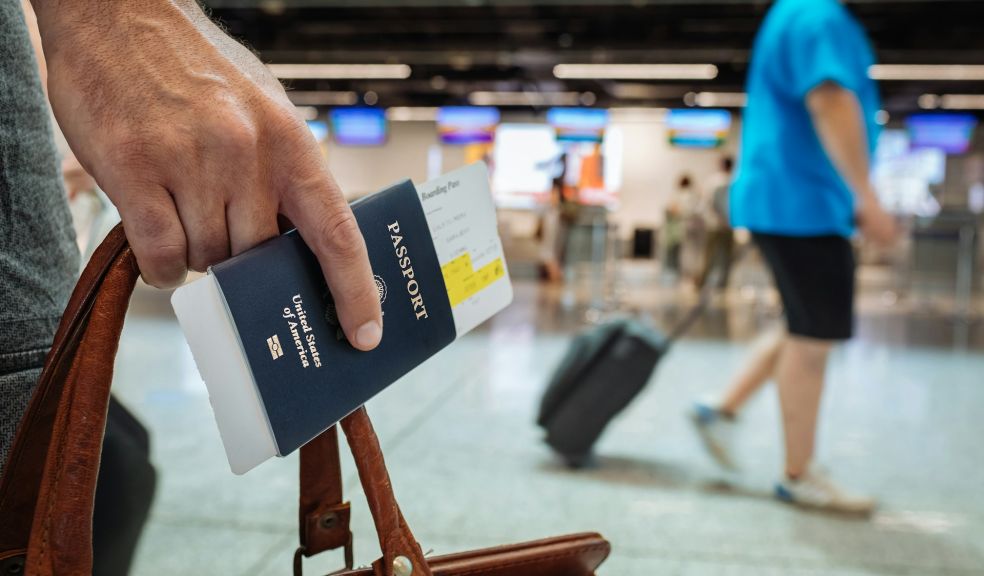
Border control processes and travel documents have become increasingly digitalised, with flight tickets commonly issued as QR codes for convenient scanning at airports. The traditional travel planning of printing off documents and storing them in a physical folder is no longer standard.
Travellers can generally download the majority of documents that they need to their smartphone, providing a more convenient way to manage their travel documents. The chances of misplacing an important travel document such as flight tickets also reduces when storing e-tickets on mobile devices.
However, despite the shift towards a more digital approach, there are still many situations where digital solutions such as QR codes do not provide all the documents required for travel planning.
When QR Codes are Not Sufficient
QR codes are often available for use with airline companies and accommodation, event tickets etc. but there are also many documents you might need to have when travelling abroad that require pre-planned applications and alternative types of document formats:
Apostilles
Some travellers will also require documentation for education, business or employment purposes, many of which will need to be verified. Services such e apostille, UK offer a digital service for providing documents such as education certificates and business documents in digital format, with a qualified electronic signature that is submitted to the Foreign, Commonwealth and Development Office (FCDO) to verify the signature.
This digital process is faster than obtaining and sending paper copies by courier, with the service also offering to send documents by email to the required recipient, potentially saving weeks compared to standard channels.
By pre-planning the required digital documents well in advance, travellers can avoid complications and delays for starting employment, attending study courses, setting up a business or opening a foreign bank account, for example.
Visas/Travel Authorisation
Another important detail to check before travelling is whether you require a visa or electronic travel authorisation for the country you are visiting. What you require will depend on factors such as the purpose of your travel, nationality and the length of stay. The requirements vary significantly across different countries, with the US operating the ESTA (Electronic System for Travel Authorization) program for short term visits of up to 90 days.
Europe is set to introduce a similar program called ETIAS (European Travel Information and Authorisation System), which British citizens will need to apply for to visit the countries that require it.
Although these short term travel authorisation schemes can be processed in a matter of days or even hours, if a visa is required for studying, working or another reason for an extended visit, the process can take much longer and will need to be planned months prior to travelling, in some cases.
EHIC or GHIC
Having a European Health Insurance Card or Global Health Insurance Card helps to ensure that you can access health services abroad and it may reduce or completely cover the costs, depending on the circumstances. The cards do not replace travel insurance but having both can make sure that you are covered for more eventualities when travelling.
Insurance Documents
Taking out insurance to cover you for medical treatment or to cover lost or stolen belongings is highly advisable. If you were to get ill or have an accident and needed medical attention when abroad, the treatment costs could be significant. Not having the documents available could also cause delays in receiving treatment, so preparing for any foreign trip should include making sure that you have adequate travel insurance. Many insurance companies provide your insurance documents in pdf format, so you can save it to your device.
Driver Licence
There will be instances where a copy of a driver’s licence is not acceptable and many car rental companies will request to see the original licence. In some countries, it may also be necessary to obtain an International Driving Permit, so if you are planning on driving while abroad, you should check the driving requirements in the country that you are travelling to.
If you are not fully familiar with the driving laws in the country that you are visiting, it is also recommended that you do some research on these before travelling. Laws such as headlight dipping requirements and carrying safety equipment are common in some countries and if you are found to be violating a driving law, you could face legal action or fines.
While the UK’s digital travel systems have added convenience for travellers, there are still many situations where you will need more than the QR code for flights and accommodation. Getting prepared in advance will ensure that you can spend more time relaxing or doing what you need to do on your travels rather than trying to get hold of documents.