








MAUI, HAWAII: Why This Breathtaking Pacific Island is the Long-Haul Holiday Every British Traveller Should Take
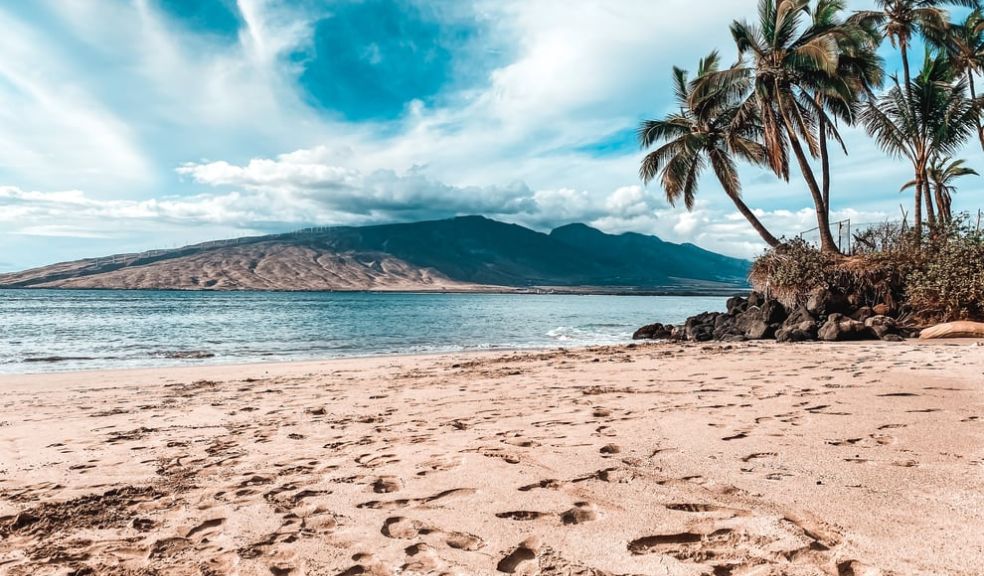
With its volcanic peaks cloaked in mist, coral reefs teeming with colour, and coastline that shifts from black-sand beaches to golden shore within a single drive, Maui is the kind of destination that renders the phrase 'holiday of a lifetime' entirely inadequate. Hawaii's second-largest island has long captured the imagination of travellers the world over, and for those willing to make the long-haul journey from the UK, it delivers something genuinely extraordinary: a place where nature, culture, adventure and utter relaxation exist not in competition, but in perfect harmony.
Maui sits in the heart of the Central Pacific, roughly 5,000 miles from the British Isles, and yes, the flight is long. But from the moment you descend through the clouds and the island comes into view below, a sweep of green mountains, turquoise bays and sun-bleached coastline laid out like something from a dream, you will understand immediately that every hour in the air was well spent. The island has a particular quality that is difficult to define and impossible to forget: it feels simultaneously wild and welcoming, dramatic and deeply peaceful. It is the kind of place that Britons who have made the journey tend to describe not in past tense but in present, as if part of them never quite left.
What makes Maui such a compelling destination for British holidaymakers is the sheer variety it packs into its 727 square miles. This is not an island where you choose between the beach and everything else. Within a single day, it is entirely possible to watch the sunrise from the summit of Haleakalā, a dormant volcano that rises to over 10,000 feet above sea level, its crater landscape so otherworldly it has been used by NASA to simulate the surface of Mars, descend through upcountry farmland and lavender fields, and still be back on the coast in time for a snorkel before sunset. Most island destinations ask you to slow down. Maui asks you to choose, and then makes you wish you had more time for all of it.
The ocean is, for many visitors, where Maui's most lasting memories are made, and experiencing it properly requires the right guide. Pride of Maui is a family-owned and operated tour company that has been navigating Hawaiian waters for over four decades, and their snorkelling excursions to Molokini Crater and Turtle Town are consistently regarded as among the finest marine experiences in the entire Hawaiian archipelago. Molokini is a partially submerged volcanic caldera, one of only three of its kind in the world that are accessible to snorkellers, where the clarity of the water is simply startling. Visibility regularly exceeds 100 feet, the reef is home to more than 250 species of tropical fish, and the crescent shape of the crater walls creates a natural shelter that makes the conditions feel almost purpose-built for exploring. Turtle Town, located along Maui's southern shoreline, offers something even more intimate: the genuine chance of swimming alongside Hawaiian green sea turtles, known locally as honu, in their natural habitat. These are encounters conducted entirely on the ocean's terms, and they are all the more powerful for it.
Back on land, the Road to Hāna stands as one of the world's great drives, though 'road' perhaps undersells the experience. This winding, 64-mile coastal highway along Maui's northeastern edge passes through bamboo forests so dense they block the sky, past waterfalls that appear without warning around blind bends, over single-lane bridges spanning deep jungle valleys, and through small communities where the pace of life feels blessedly unhurried. The key, as seasoned visitors will tell you, is to resist the urge to rush it. The Road to Hāna is not a route to a destination; it is the destination itself, and the travellers who take it slowly, who pull over, wander, and linger, are the ones who come home with the most extraordinary stories to tell.
For those drawn to cultural depth alongside natural spectacle, Maui offers that in equal measure. The island's Native Hawaiian heritage is not a museum exhibit, it is alive and present in the chants, the traditional fishing practices, the place names, and the warmth of communities like Hāna on the remote eastern tip, where the connection to the land feels both ancient and immediate. The north shore town of Pāʻia, once a plantation settlement and now a spirited mix of surf culture, independent galleries and organic cafés, gives the island an artistic edge that sits comfortably alongside its more obvious natural drama. And Upcountry Maui, the elevated pastoral region around Kula and Makawao, is where the island quietly excels at food. Working farms, boutique wineries, and a farm-to-table dining scene that draws on some of the finest produce in the Pacific make this one of the most rewarding culinary regions in all of Hawaii.
British travellers visiting between December and April will have the additional privilege of witnessing one of nature's great spectacles: the annual migration of North Pacific humpback whales to the warm, shallow waters of the Maui Channel. Tens of thousands of whales make the journey each year to breed and give birth, and sightings from shore and from boat are remarkably common during peak season. A humpback whale breaching at close range, a 40-tonne animal launching itself clear of the water, is the kind of moment that stays with you for the rest of your life and leaves very little else to say.
Practically speaking, Maui is more accessible than many British travellers assume. Connecting flights from London via Los Angeles, San Francisco, or Vancouver bring total journey times to around 16 to 18 hours, comparable to many popular long-haul routes and thoroughly manageable given what awaits at the other end. The island operates on US infrastructure, which means English is spoken everywhere, the roads are well maintained, and a hire car, essential for exploring properly, is easy to arrange. Accommodation spans the full spectrum, from relaxed beach condos in Kīhei to the refined luxury resorts of Wailea, where service standards rival anything in Europe or the Caribbean.
Summer, which coincides with the British holiday season, brings calm ocean conditions that make water activities particularly rewarding, excellent snorkelling visibility, settled seas for boat tours, and long daylight hours that stretch the day beautifully. It is, in many respects, the ideal time for UK travellers to make the journey. The island is at its most vibrant, the water is at its most inviting, and the sense, that particular Maui sense of being somewhere that effortlessly exceeds every expectation is at its most complete.
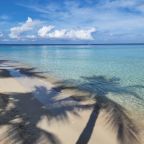
Some destinations are worth the journey. Maui is worth the journey, the planning, the long-haul flights, and the return ticket already booked before you have even left. It is an island that gives generously and asks very little in return, only that you arrive with curiosity, stay open to what it offers, and resist the very understandable temptation to do nothing but sit on the beach and stare at it. Although, to be entirely fair, that is also a perfectly reasonable way to spend an afternoon in Maui. The beach is rather spectacular.