









What Makes French Alpine Cuisine So Irresistible
French Alpine cuisine is a must once you step in from the cold. After several hours on the slopes, you rarely want something delicate or complicated. You want a meal that warms you up, fills you properly and gives you a reason to linger at the table. Mountain cooking delivers exactly that. Cheese bubbles over potatoes. Cured meats arrive on wooden boards. Bread becomes a tool for scooping up every last mouthful.
A cuisine shaped by the mountains
The mountains have always dictated how people cook in the French Alps. Before modern transport and refrigeration, communities relied on ingredients they could produce locally or preserve through long winters. Farmers turned milk into cheese, cured meat with salt and stored potatoes safely for months.
Today, in Savoie, you’ll come across cheeses such as Beaufort, Reblochon and Tomme de Savoie, alongside charcuterie, potatoes and rustic breads. Rather than disguising these ingredients with elaborate techniques, Alpine cooks tend to let their distinctive flavours carry the dish.
From fondue to tartiflette
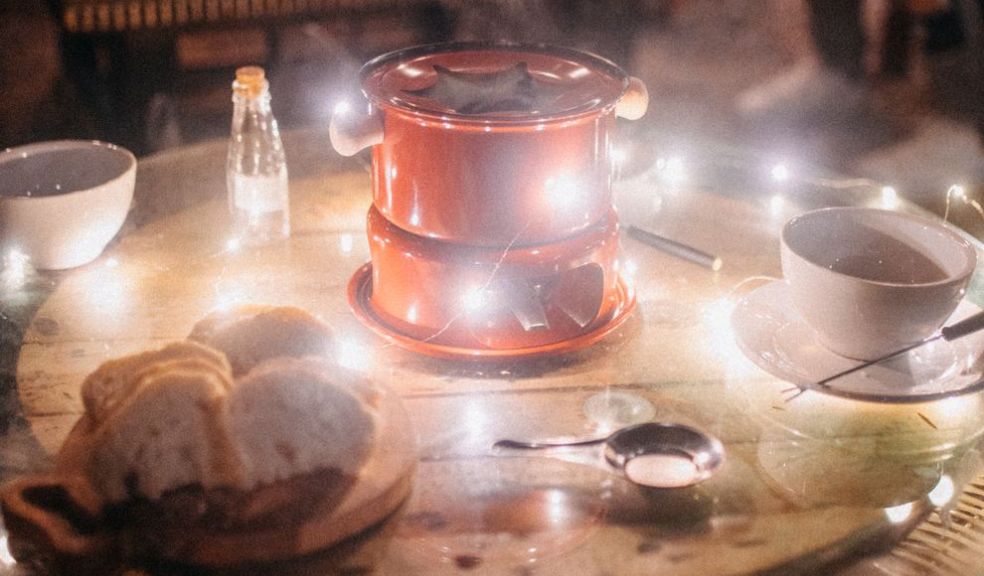
Fondue turns dinner into a shared experience: you dip pieces of bread into a pot of melted cheese, taking your time as everyone eats from the same dish. Raclette works differently. Melted cheese goes over potatoes and typically accompanies charcuterie and cornichons, so you can balance its richness with salty meat and sharp pickles.
Then there’s tartiflette, where cooks combine potatoes, onions and lardons with Reblochon before cooking everything into a rich, warming dish.
Alpine dining over individual headline dishes
What makes Alpine cuisine memorable often extends beyond its best-known recipes. A typical meal might begin with local charcuterie or a simple salad before moving on to a slow-cooked meat dish, gratin or regional speciality. If you want to understand the food properly, look beyond the first fondue restaurant you see and check menus for regional ingredients.
Why Alpine dining feels different
Context changes the way you experience a meal. If you’ve spent the afternoon skiing, cold air and physical effort can make the transition into a warm restaurant part of the day.
That’s particularly noticeable on a Tignes ski holiday, where you can move from long days on the mountain to restaurants serving the substantial food associated with Savoie. Instead of rushing dinner, you can settle around a fondue or raclette and let the meal become an occasion in itself.
Beyond the classic cheese dishes
You don’t need to live on melted cheese for the duration of your trip. French Alpine menus can also include mountain trout, sausages, game, soups and comforting dishes built around seasonal vegetables.
Desserts provide another perspective on the region. Fruit tarts, blueberry-based puddings and pastries offer a welcome change after richer savoury dishes, while bakeries make it easy to sample local specialities without committing to a long restaurant meal.
A taste of the Alps to take home
You can recreate part of the Alpine experience without attempting a restaurant-style menu. Start with good cheese, potatoes, crusty bread, cured meat and cornichons, then build a relaxed meal around sharing rather than complicated preparation.
Ultimately, French Alpine food works because it suits its surroundings. It warms you after a cold day, while bringing together people and stories of communities that learned to make the most of what the mountains could provide.
Collaborative post.