









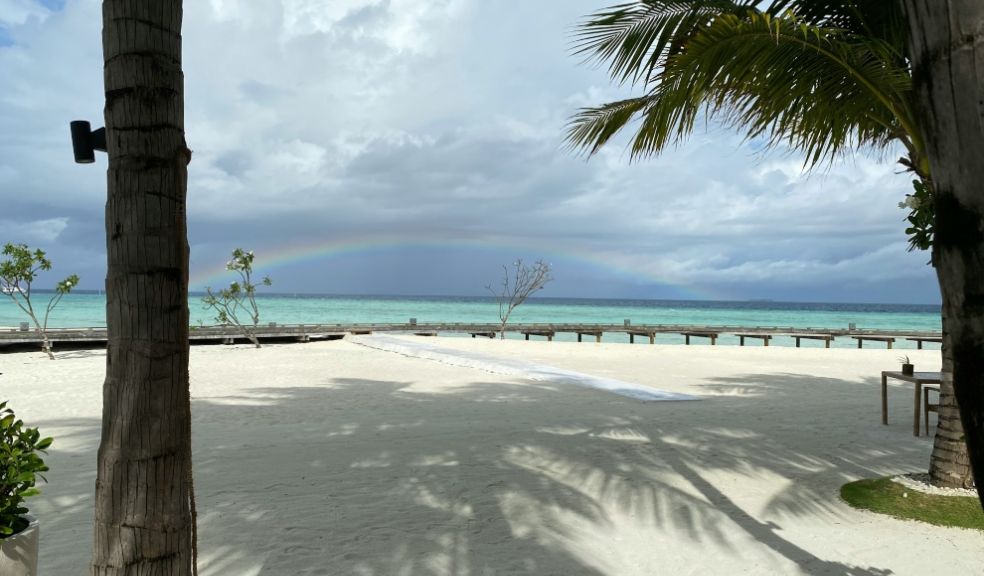
The case for visiting the Maldives during the wetter months
The classic Maldives image promises endless blue skies and water as still as glass. Travel between mid-May and November, however, and the islands can feel more changeable. Rain arrives more often, the wind may gather, and boat trips sometimes need adjusting. And true, while it sounds a bit more inviting at first glance, the wetter months also bring their own appeal. If you can accept less predictable weather, you may find quieter surroundings, striking skies and marine experiences that the driest season cannot always offer.
What does wet season actually mean?
The Maldives Meteorological Service places the southwest monsoon from mid-May to November, with April and December acting as transitional months. Temperatures remain warm throughout the year, generally between 25°C and 32°C. Rain usually falls in showers with sunny spells between, although nobody can promise that every downpour will pass quickly. The southern atolls also receive more annual rainfall than central and northern areas, so check the seasonal pattern for the specific island rather than treating the whole country as one weather zone.
A Maldives holiday outside peak season works best if you see sunshine as desirable rather than guaranteed. You may wake to bright water, watch a storm sweep across the horizon after lunch and swim again before sunset. That changing atmosphere can feel dramatic and deeply tropical, but it won’t suit someone who wants a flawless run of cloudless beach days.
Look beyond the nightly room rate
Travelling during the wetter months may reveal appealing package prices or a wider choice of rooms, but don’t assume every date will cost less. School holidays, flight availability and special events still affect the total. Compare the same villa category, meal plan, luggage allowance and transfer type before deciding that one offer represents better value.
The resort obviously gains importance when the weather turns. A single-island stay keeps restaurants and facilities close, and our guide to choosing the right all-inclusive Maldives resort shows how much properties differ in dining, wellness and included experiences. A spa, sheltered pool, comfortable library or covered restaurant gives you something you could enjoy during a wet afternoon. By contrast, a cheaper resort centred almost entirely on outdoor activities may feel restrictive when wind interrupts the programme.
The monsoon creates its own marine season
For some travellers, wetter weather actually supports the reason to visit. In Baa Atoll, the southwest monsoon helps create plankton-rich conditions that attract feeding reef manta rays to Hanifaru Bay. Researchers from the Maldives Manta Conservation Programme describe a typical season running from May through November, with sightings often peaking around full and new moons.
Of course, nature will always refuse to follow a booking confirmation. The same researchers recorded only 15 sightings in November 2023, compared with 1,991 in November 2020, which shows just how sharply conditions can vary. Choose a reputable guided excursion and treat any encounter as a possibility, not as a guaranteed attraction. Wind and sea conditions may also delay or cancel a trip, so avoid leaving your only boat excursion until the final day.
But marine life extends beyond one famous bay. A resort with a house reef can give you flexible snorkelling opportunities close to shore, while an on-site marine team can explain local conditions and responsible wildlife etiquette.
Which compromises suit you?
If you want uninterrupted sun, calm crossings and a tightly scheduled programme of diving, sailing or sandbank picnics, the drier months offer a better chance of settled conditions. If you value breathing room, flexible days and a more atmospheric version of the islands, the wetter period absolutely deserves consideration.
The same thinking applies to late-season travel elsewhere, and our guide to October sunshine destinations for UK travellers already places the Maldives among warm long-haul. Pack a light waterproof layer, bring more than one book and avoid an itinerary that depends on perfect sea conditions every day.
Check the total package rather than the headline villa rate. Seaplane or speedboat transfers, meal plans and paid excursions can change the final cost considerably. A well-priced stay only feels valuable if the location, facilities and level of flexibility match the holiday you want.
Collaborative post.