







Poland Beyond the Postcard: A Journey Through History, Cities and Local Traditions
Poland is one of the most rewarding destinations in Central Europe for travellers who want more than a simple city break.
Poland is one of the most rewarding destinations in Central Europe for travellers who want more than a simple city break. It is a country of historic towns, royal castles, mountain landscapes, Baltic coastlines, UNESCO-listed sites, traditional cuisine and powerful stories. From the elegant streets of Kraków to the modern energy of Warsaw, from the medieval atmosphere of Gdańsk to the natural beauty of the Tatra Mountains, Poland offers a wide variety of experiences within one itinerary.
A well-planned poland tour allows visitors to discover the country without rushing from one attraction to another. Instead of seeing isolated landmarks, travellers can understand how different regions, cities and traditions connect with each other. Poland is large enough to offer diversity, but compact enough to combine several highlights in one journey.
Why Poland is worth exploring in a complete tour
Poland has a rich and complex identity. Its history includes royal dynasties, medieval trade routes, partitions, uprisings, wartime destruction, communist rule and a dynamic modern transformation. This makes travel through Poland especially meaningful. Every major city has its own character, and each region adds a different perspective to the country’s story.
Warsaw shows Poland’s resilience and modern ambition. Kraków offers royal heritage, atmospheric streets and one of Europe’s most beautiful old towns. Gdańsk connects Polish history with the Baltic Sea, maritime trade and the Solidarity movement. Wrocław charms visitors with bridges, islands and colourful architecture. Zakopane introduces mountain culture, wooden architecture and the landscapes of southern Poland.
Warsaw: the capital of contrasts
For many travellers, Warsaw is the natural starting point. It is a capital that combines business energy, historical memory and cultural life. The reconstructed Old Town, Royal Castle, Łazienki Royal Park, Palace of Culture and Science, museums, cafés and modern districts create a city full of contrasts.
Warsaw is important not only because it is the capital, but because it helps visitors understand the spirit of contemporary Poland. The city was heavily destroyed during the Second World War and rebuilt with determination. Today it is modern, fast-moving and international, while still carrying visible traces of its past.
Kraków: royal heritage and timeless atmosphere
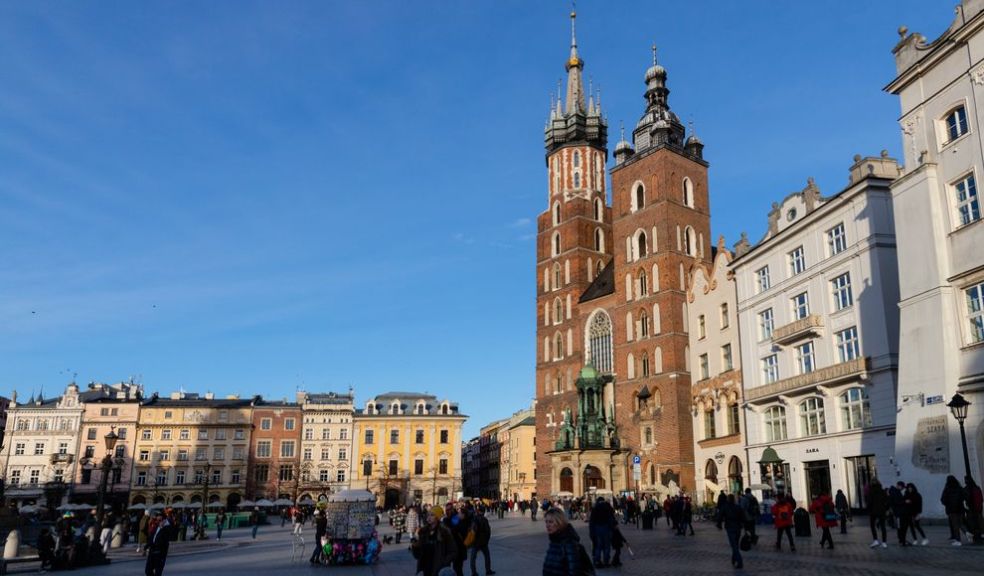
Kraków is one of Poland’s most famous destinations, and for good reason. Its historic centre, Wawel Castle, Main Market Square, St. Mary’s Basilica and old university traditions create a strong sense of continuity. Unlike Warsaw, Kraków preserved much of its historic urban fabric, which gives it a very different atmosphere.
The city is also a gateway to important sites nearby, including Wieliczka Salt Mine and Auschwitz-Birkenau Memorial and Museum. These places require thoughtful planning and respectful guidance, but they are often key parts of a deeper journey through Polish history.
Gdańsk and the Baltic coast
Gdańsk brings a maritime dimension to a Poland tour. Its colourful facades, old port, shipyard history and Hanseatic character make it unlike any other Polish city. Walking through the Main Town, along the Motława River and near the historic cranes, visitors can feel the city’s strong connection with trade, freedom and the sea.
Gdańsk is also closely linked to the Solidarity movement, which played a major role in the fall of communism in Central and Eastern Europe. For travellers interested in modern history, this makes the city especially valuable.
Southern Poland: mountains, traditions and landscapes
Poland is not only about cities. The south of the country offers mountain scenery, spa towns, wooden churches, regional cuisine and local traditions. Zakopane and the Tatra Mountains are among the most popular places for travellers who want to combine culture with nature.
The region is known for its distinctive architecture, music, crafts and highland identity. Even a short stay can add variety to a cultural itinerary, giving visitors a chance to see a different side of Poland beyond museums and city squares.
Food, hospitality and local experiences
Polish cuisine is an important part of the travel experience. Traditional dishes such as pierogi, żurek, bigos, gołąbki, oscypek, soups, cakes and regional specialities help visitors understand local culture through taste. In major cities, traditional restaurants stand alongside modern dining concepts, cafés, bakeries and food markets.
A good tour should leave space for these everyday experiences. Coffee in a historic square, dinner in a regional restaurant, a market visit or a tasting of local products can be as memorable as a museum visit. These details make the journey feel more personal and authentic.
The advantage of an organised itinerary
Poland can be explored independently, but a planned tour makes the journey smoother and more meaningful. Distances, museum reservations, transfers, local guides, hotel locations and timing all affect the quality of the experience. A well-organised programme helps travellers avoid logistical stress and focus on discovery.
This is especially important for visitors coming to Poland for the first time. The country has many layers, and professional guidance can help connect historical events, regional differences and cultural context. Instead of simply moving from one city to another, travellers gain a clearer understanding of Poland as a whole.
Summary
Poland is a destination with depth, variety and character. It combines royal cities, reconstructed capitals, maritime heritage, mountain traditions, powerful memorial sites and modern urban life. A well-designed tour allows visitors to experience this diversity in a comfortable and thoughtful way.
For travellers looking for a journey that includes history, culture, landscapes and local flavour, Poland is an excellent choice. It is a country that invites slow discovery, and each region adds something valuable to the story.