









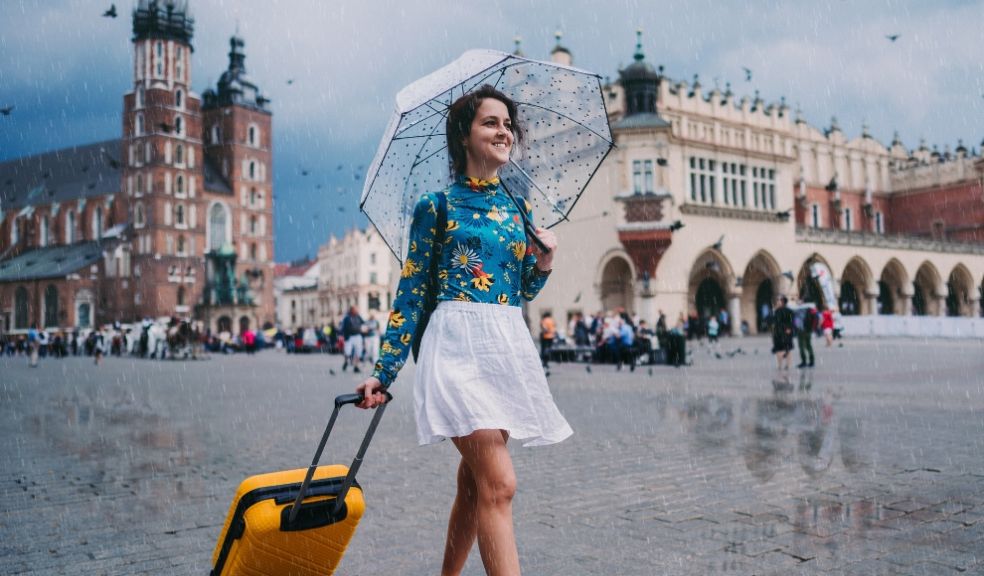
Safest Countries To Visit In 2026 For UK Travellers
With so much unsettling news around the world, it is completely understandable that many UK travellers are asking the same question: “Is it safe to go?”
The reassuring answer is that there are still plenty of destinations that combine low crime, political stability and excellent healthcare with the kind of scenery, culture and food your clients will love.
This guide pulls together insights from global peace indices and recent travel‑safety reports to highlight some of the safest countries to visit in 2026. Rather than scaremongering, the focus is on giving calm, practical information that helps your readers feel informed and in control.
Note: No destination is ever entirely risk free. Travellers should always check the latest Foreign, Commonwealth & Development Office (FCDO) advice before booking or travelling, and work with a professional Travel Agentwho will then complete all arrangements securely.
How do we decide which countries are “safest”?
Different organisations use different methods, but most look at similar themes:
- Levels of violent crime and petty theft
- Political stability and civil unrest
- Risk of terrorism and organised crime
- Quality of healthcare and infrastructure
- Road safety and public transport
- Natural disaster risk and how well a country is prepared
- How welcoming a country is to women, LGBTQ+ travellers and minority groups
Sources such as the Global Peace Index and large travel insurance studies regularly publish rankings based on these factors. Recent reports for 2026 consistently highlight countries like the Netherlands, Austria, Australia and Canada at the top for visitor safety, with Nordic nations, New Zealand and Japan also scoring highly.
Using that research as a starting point, here are ten of the safest countries to consider for 2026 holidays from the UK.
Top 10 safest countries to visit in 2026
1. Netherlands
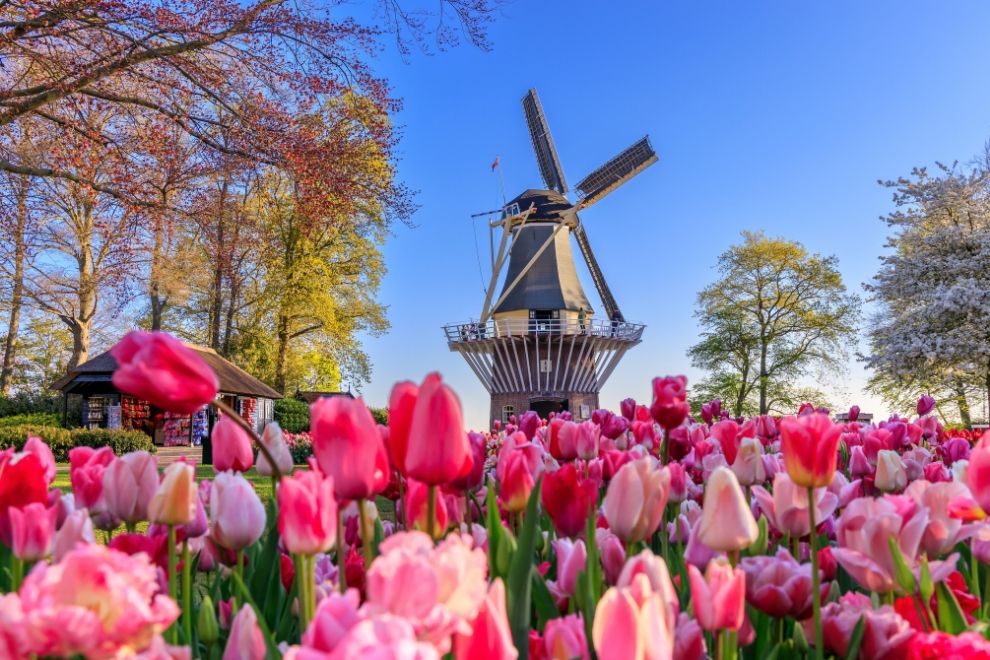
The Netherlands frequently appears at the very top of safety lists, and it is easy to see why.
Why it feels safe
- Low rates of violent crime
- Reliable, well lit public transport in cities and towns
- High standards of healthcare and public services
- Generally open‑minded, welcoming attitude towards visitors, including solo and LGBTQ+ travellers
Why UK travellers love it
For UK visitors, the Netherlands feels both familiar and refreshingly different. Amsterdam is the obvious draw, with its canals, museums and café culture, but cities like Utrecht, Leiden and Haarlem offer a gentler, more local feel. The compact size and extensive rail network make it ideal for short breaks and train‑based itineraries.
Things to be aware of
- The main “hazard” for many first‑timers is bikes. Cycle lanes are everywhere and locals move quickly, so it pays to look both ways and avoid wandering into marked cycle paths.
- As in any busy city, pickpocketing can occur around major sights and nightlife districts, so a money belt or cross‑body bag is still sensible.
2. Austria
Austria combines postcard perfect scenery with a reputation for order and efficiency.
Why it feels safe
- Very low crime rates in cities and tourist regions
- Well maintained roads and punctual public transport
- Stable political climate
- Strong family friendly credentials, with many resorts geared towards children
Why UK travellers love it
Vienna and Salzburg are two of Europe’s classic city breaks: elegant architecture, coffee houses and a packed calendar of concerts and festivals. Beyond the cities, Austria really shines in its mountains and lakes. In winter, Alpine ski resorts are an obvious draw; in summer, the same regions turn into hiking, cycling and swimming playgrounds.
Things to be aware of
- In Alpine areas, weather can change quickly. Anyone heading into the mountains should follow local advice, stick to marked trails and be realistic about their fitness level.
- Winter drivers should be prepared for snow and ice, and follow any local regulations on winter tyres or chains.
3. Australia
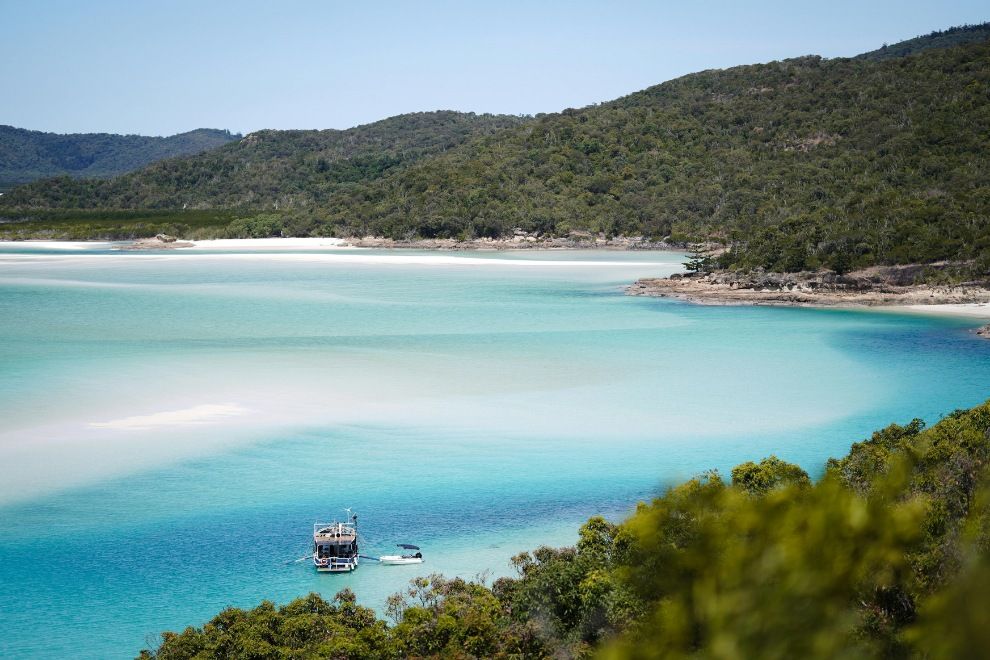
A familiar long haul favourite for British travellers, Australia also ranks highly for safety and overall quality of life.
Why it feels safe
- Low overall crime rate compared with many other large countries
- Well‑regulated cities and strong enforcement of laws
- Clean, modern accommodation stock in most tourist areas
- Excellent healthcare and hygiene standards
Why UK travellers love it
Australia really suits exploratory travel: fly into one city, pick up a car or camper and head off along the coast or through the outback. Classic first‑time itineraries combine Sydney and the east coast with the Great Barrier Reef, or pair Melbourne with the Great Ocean Road. Return visitors may branch out to Western Australia, the Red Centre or Tasmania.
Things to be aware of
- Distances are huge and remote stretches of road may have limited facilities. Planning fuel stops and carrying plenty of water is essential away from cities.
- Sun strength is far higher than in the UK. High factor sunscreen, hats and regular shade breaks are not optional, they are vital.
- Australia has extremely strict quarantine and biosecurity rules, so visitors must declare all food and certain outdoor items on arrival.
4. Iceland
Iceland is frequently cited as one of the most peaceful and low crime countries in the world, and it has become a firm favourite for UK travellers seeking something dramatic but still reassuringly safe.
Why it feels safe
- Very low levels of crime
- Small, tight knit communities with a strong social safety net
- High English language proficiency
- Clear signage and information for tourists at most major sites
Why UK travellers love it
It is hard to think of another destination where so much striking scenery is so accessible. In a single short trip you can see waterfalls, glaciers, geothermal pools and black‑sand beaches. In winter there is the chance of the Northern Lights; in summer, long daylight hours for road trips and hiking.
Things to be aware of
- Weather is the main risk factor. Conditions can change quickly, even in summer, and wind can make driving challenging. Checking the local weather and road websites before heading out each day is good practice.
- Volcanic activity occasionally disrupts air travel and may affect specific regions. Travellers should monitor local advice and follow any exclusion‑zone rules.
5. Canada
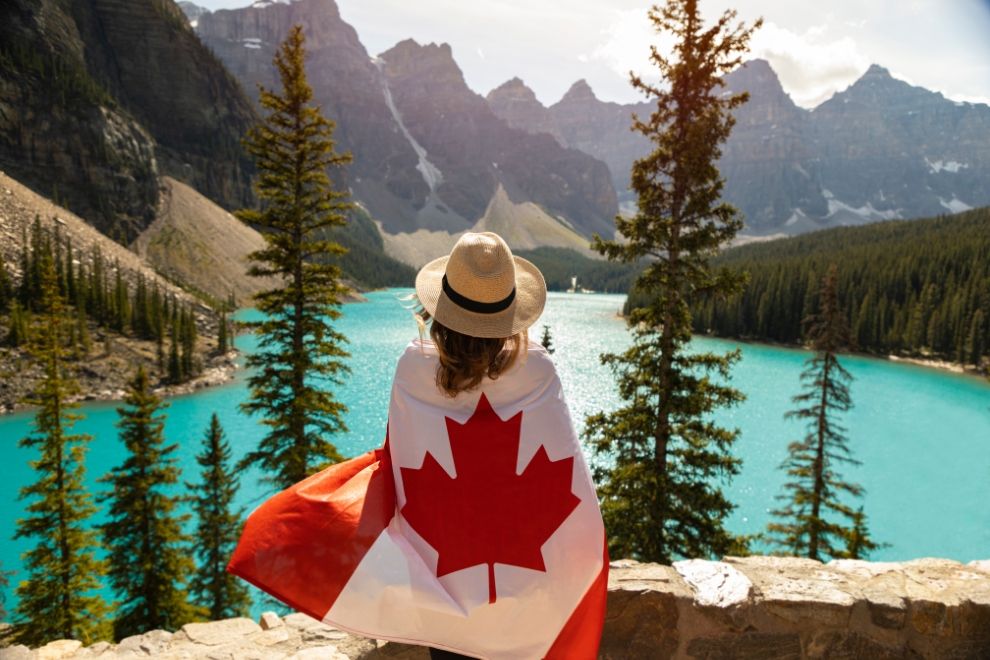
Canada’s reputation as safe, welcoming and outdoorsy continues to make it one of the most appealing long‑haul options.
Why it feels safe
- Low violent‑crime rates in most areas
- Highly regarded healthcare and emergency services
- Culturally diverse cities where English is widely spoken (and French in parts of Québec)
- Strong legal protections for LGBTQ+ and minority travellers
Why UK travellers love it
From Vancouver and the Pacific coast to Toronto, Montréal and the Atlantic provinces, Canada offers huge variety. Many visitors are drawn by the outdoors: the Rocky Mountains, Banff and Jasper National Parks, whale‑watching, lakes and autumn foliage road trips.
Things to be aware of
- Distances are vast. Driving times on a map can be deceptive, especially in more remote regions. Allow generous time for journeys and keep fuel topped up.
- In wildlife areas, your readers should follow all local guidance on bears, moose and other animals, including food storage and what to do in an encounter.
6. New Zealand
New Zealand offers a similar sense of space and safety to Canada but on a smaller, more manageable scale.
Why it feels safe
- Very low crime and a relaxed, informal culture
- High trust in public institutions and the rule of law
- Reliable roads and domestic flights, with clear tourist information
Why UK travellers love it
Self‑drive itineraries through wine regions, geothermal landscapes, fjords and snow‑capped peaks make New Zealand a dream for road‑trip fans. Many UK travellers also have family or friends there, which adds an extra sense of comfort.
Things to be aware of
- Roads are often single‑carriageway and winding, especially in mountain and coastal regions. Visitors used to UK motorways need to slow their pace and avoid long, tiring driving days.
- The hole in the ozone layer over this part of the world means the sun can burn very quickly; hats and SPF are essential even on cloudy days.
7. Japan
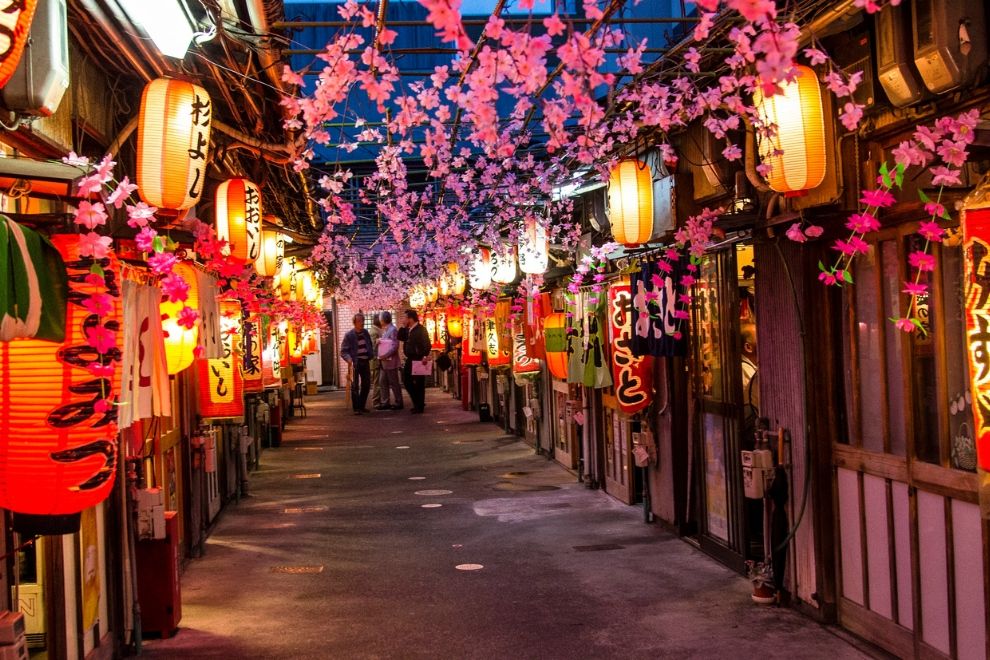
Japan offers one of the most striking combinations of “culture shock” and personal safety in the world: it can feel completely different from home, yet remarkably secure.
Why it feels safe
- Exceptionally low violent‑crime rates
- Deep‑rooted culture of respect and social order
- Punctual, well‑organised public transport that makes it easy to get around without a car
- High standards of cleanliness, food safety and hygiene
Why UK travellers love it
Tokyo, Kyoto and Osaka offer neon skylines, serene temples and outstanding food. Beyond the big cities, travellers can soak in hot spring towns, stay in traditional inns, ski in Hokkaido or explore subtropical islands in the south.
Things to be aware of
- Japan is in an earthquake prone region. Visitors will see information cards on what to do in the event of tremors; it is worth reading them.
- Typhoon season can disrupt travel in late summer and early autumn, so flexible planning and good insurance matter at that time of year.
8. Switzerland
For many people, Switzerland is almost the dictionary definition of order and efficiency, and that carries through into its safety record.
Why it feels safe
- Very low crime and visible, approachable policing
- Immaculately maintained public spaces and transport
- Excellent healthcare and emergency response systems
Why UK travellers love it
Switzerland is all about lakes, mountains and chocolate‑box villages. The rail network makes it easy to combine cities like Zurich, Bern, Geneva and Lucerne with alpine resorts, without needing to drive. Scenic trains such as the Glacier Express and Bernina Express add an “occasion” feel to a holiday.
Things to be aware of
- Mountain terrain requires respect. Weather can change quickly and altitude should not be underestimated. Travellers planning high‑level hikes or off‑piste skiing should consider hiring local guides.
- Switzerland is comparatively expensive, so clients should budget accordingly, especially for eating out and mountain activities.
9. Ireland
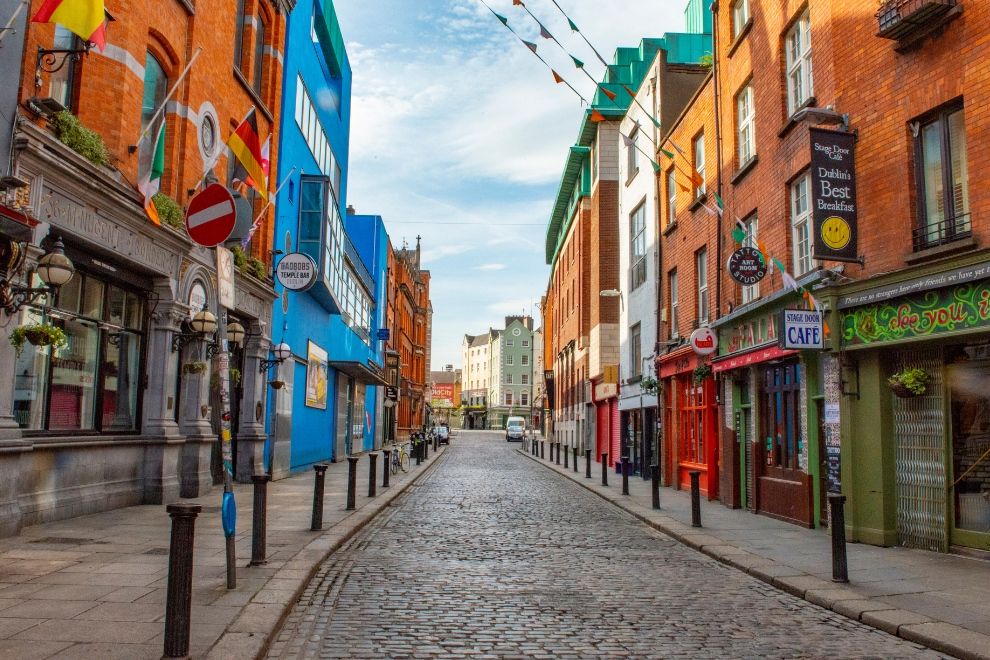
For nervous travellers wanting to ease back into exploring, Ireland offers a reassuringly close‑to‑home option.
Why it feels safe
- Low violent crime rate
- English speaking, with similar legal and medical systems to the UK
- Strong sense of community and hospitality, particularly in smaller towns
Why UK travellers love it
Easy flights and ferries from the UK make Ireland ideal for short breaks and road trips. Highlights include Dublin’s cultural attractions, the Wild Atlantic Way’s coastal scenery, lively music pubs in Galway and Dingle and scenic regions like Connemara and County Kerry.
Things to be aware of
- Rural roads can be narrow and winding, often with livestock and farm vehicles. Taking it slow and avoiding night time driving on back roads is wise.
- As in any capital, Dublin has busy nightlife areas where standard big city awareness is advisable.
10. Portugal & Denmark (joint honourable mentions)
Both Portugal and Denmark frequently appear in safe country rankings and are particularly appealing if you are looking for shorter haul options.
Portugal
- Generally low crime in resort areas and small towns
- Friendly, laid‑back culture and good English spoken in tourist zones
- Attractive mix of city breaks (Lisbon, Porto), beach holidays in the Algarve and quieter inland escapes in regions like the Alentejo
Denmark
- High levels of social trust and equality
- Very walkable and bike‑friendly cities
- Copenhagen in particular is praised for its design, food and family‑friendly attractions
For UK travellers, both countries offer the comfort of being within the EU, with strong consumer protections and familiar standards of accommodation and hygiene.
General safety tips that apply everywhere
Even in the safest destinations, a few basic habits dramatically reduce risk:
- Keep passports, spare cards and copies of key documents separate.
- Use hotel safes where available, and carry only what you need each day.
- Stay aware of your surroundings in crowded places and on public transport.
- Avoid excessive alcohol or risky behaviour, especially late at night.
- Note down local emergency numbers and the address of your accommodation.
- Keep an eye on local news and weather during your trip, particularly in areas prone to storms, wildfires or volcanic activity.
FAQs: Safest countries to visit in 2026
Is any country completely safe to visit in 2026?
No country can ever be guaranteed 100% safe, and circumstances can change quickly. However, countries such as the Netherlands, Austria, Iceland, Canada, New Zealand, Japan, Switzerland, Ireland, Portugal and Denmark are consistently ranked among the safest, with low crime and strong infrastructure.
Which destinations are best for nervous or first time travellers?
For those feeling anxious about travelling, destinations that are closer to home, English speaking or culturally similar often feel more comfortable. Ireland, the Netherlands, Portugal and Austria make excellent starting points, with straightforward travel from the UK and well developed tourism industries.
What about solo female travellers?
Many solo female travellers report feeling particularly comfortable in the Netherlands, the Nordic countries, Canada, Japan, Austria and New Zealand thanks to low harassment levels, reliable public transport and strong social norms around safety. Normal precautions still apply, but these countries can be a good starting shortlist.
Are typical UK favourites like Spain and Greece unsafe now?
Spain and Greece may not always appear in the very top “safest in the world” rankings, but they remain generally safe, well touristed destinations. Safety tends to vary more by region, resort and behaviour than by the country label alone. Choosing the right area, style of accommodation and time of year can make a huge difference, which is where a Travel Professional's advice in invaluable.